
Half-collared Kingfisher vs Striped Kingfisher
Alcedo semitorquata contro Halcyon chelicuti
Fai un quiz con Half-collared Kingfisher e Striped Kingfisher
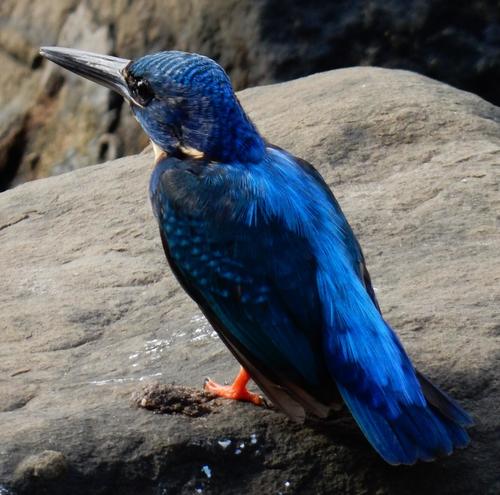 Half-collared Kingfisher
 Striped Kingfisher
In breve
Il miglior segno distintivo per separare questi due è il colore generale e il motivo delle ali: il Collared Kingfisher è un uccello blu e bianco straordinario con un distintivo mezzo collare e parti inferiori arancioni, mentre lo Striped Kingfisher è per lo più grigio-bruno sopra con blu limitato alla parte bassa della schiena, ali e coda, e mostra una macchia bianca sulle ali e una barra nera in volo. I giovani dello Striped Kingfisher sono più chiari e hanno meno blu sulle ali, il che può causare confusione, ma il Collared appare sempre molto più blu e manca di striature brune. Il colore del becco e il motivo della testa sono anche chiave: il Collared ha un becco nero solido (maschio) o per lo più nero (femmina) e una corona blu, mentre lo Striped Kingfisher mostra un becco bicolore e una corona bruna striata. Entrambi sono simili in dimensioni e massa, ma la loro struttura e gli habitat preferiti differiscono.
Consigli di identificazione
- L'habitat è spesso decisivo: Se l'uccello viene visto lontano dall'acqua, specialmente in boschi aperti o savana, è lo Striped Kingfisher. Il Collared Kingfisher non si trova quasi mai lontano dall'acqua con vegetazione densa.
- Colore generale: Il Collared Kingfisher appare sempre di un blu vivido sopra con parti inferiori arancioni e una gola bianca. Lo Striped Kingfisher è grigio-bruno sopra, con blu limitato alla parte bassa della schiena, ali e coda, e parti inferiori da bianco sporco a buff con striature brune.
- Motivo della testa: Il Collared ha una corona blu con bande blu chiare e scure alternate e una striscia bianca crema sul lato del collo. Lo Striped Kingfisher ha una corona bruna striata, una linea nera attraverso l'occhio e intorno al collo, e manca della corona blu e del mezzo collare.
- Colore del becco: Il maschio del Collared ha un becco completamente nero; la femmina ha un po' di rosso alla base del mandibola inferiore. Lo Striped Kingfisher ha un becco bicolore: nero sopra e alla punta, rosso-arancione sotto, con i giovani che mostrano un rosso più opaco.
- Motivo delle ali in volo: Lo Striped Kingfisher mostra una macchia bianca alla base delle primarie, una barra nera alla base delle primarie (maschi), e rivestimenti bianchi delle ali con un bordo nero. Il Collared Kingfisher manca di queste caratteristiche e rimane blu sopra in tutte le viste.
- Confusione giovanile: Il giovane Striped Kingfisher è più chiaro, con meno blu sulle ali e una corona più scura, ma mostra ancora striature brune e manca del blu vivido e dell'arancione del Collared. Il giovane Collared non è descritto, ma dovrebbe sempre essere blu sopra e mai striato di marrone.
- Parti inferiori: Il Collared Kingfisher ha parti inferiori arancioni pallide e pulite; lo Striped Kingfisher ha parti inferiori da bianco sporco a buff con striature brune (specialmente nell'Africa meridionale).
- Collo e collare: Il Collared ha un distintivo 'mezzo collare' blu scuro sul lato del collo; lo Striped Kingfisher ha un collare bianco bordato sopra da una linea nera.
- Colore delle gambe: Entrambi hanno gambe rosse o rossastre, non un separatore affidabile.
- Comportamento di posarsi: Il Collared è solitamente basso sopra l'acqua, spesso su rami esposti. Lo Striped Kingfisher si posa più in alto, spesso nelle cime degli alberi, e si esibisce sbattendo le ali e alzando la coda.
- Vocalizzazioni: Solo lo Striped Kingfisher ha un richiamo distintivo e lontano, spesso udito al crepuscolo o durante l'esibizione. Se senti le vocalizzazioni descritte, è lo Striped Kingfisher.
- Differenze sessuali: Nel caso dello Striped Kingfisher, i maschi hanno una corona grigia-buff e una barra nera alla base delle primarie; le femmine hanno una corona bruna e mancano della barra nera. Nel Collared, solo il colore del becco differisce leggermente tra i sessi.
- Contesto: Se visto pescare o tuffarsi nell'acqua, specialmente in habitat ripariano denso, pensa al Collared. Se visto saltare da una cima d'albero o esibirsi, pensa allo Striped Kingfisher.
- Striature: Lo Striped Kingfisher mostra sempre alcune striature brune sulla corona e sulle parti inferiori (specialmente gli uccelli meridionali); il Collared non lo fa mai.
- Estensione del blu: Solo il Collared è blu nel complesso; il blu dello Striped Kingfisher è limitato e evidente solo in volo.
Taglia
Entrambe le specie sono molto simili in dimensioni, con il Collared Kingfisher lungo circa 18 cm e lo Striped Kingfisher che varia da 16 a 18 cm. Le loro masse corporee sono anche quasi identiche (Collared: 35–40 g, Striped: ~38 g) [wikipedia][wikidata]. Sul campo, nessuna delle due specie è affidabilmente più grande, quindi la dimensione da sola non è un separatore sicuro.
Piumaggio
- Uccelli giovani/immaturi: I giovani dello Striped Kingfisher sono più chiari degli adulti, con meno blu sulle ali, una corona più scura e punte scure sulle piume del petto. Hanno anche un rosso più opaco sulla mandibola inferiore. I giovani del Collared Kingfisher non sono descritti in dettaglio, ma tutte le età mostrano forti parti superiori blu e mancano di striature brune.
- Adulti posati: Il Collared Kingfisher è blu vivido sopra con una gola bianca, parti inferiori arancioni e una corona blu con bande blu chiare e scure alternate. Ha una striscia bianca crema su ciascun lato del collo e un 'mezzo collare' blu scuro. Gli adulti dello Striped Kingfisher sono per lo più grigio-bruno sopra, con blu metallico limitato alla parte bassa della schiena, piume secondarie e coda. Le parti inferiori sono da bianco sporco a buff con striature brune, specialmente sul petto e sui lati. La testa è striata di marrone scuro, con uno sfondo grigio-buff (maschio) o bruno (femmina), e una linea nera attraverso l'occhio e intorno al collo.
- In volo: Lo Striped Kingfisher rivela una macchia bianca alla base delle primarie e una barra nera alla base delle primarie (nei maschi), con rivestimenti bianchi delle ali bordati di nero. Questi motivi delle ali sono molto più visibili in volo che quando posati. Il Collared Kingfisher non mostra questi motivi delle ali e rimane blu sopra in tutte le viste.
Comportamento
Il Collared Kingfisher è quasi sempre visto vicino all'acqua, posandosi silenziosamente su rami bassi sopra corsi d'acqua, fiumi o laghi, e tuffandosi per pesci. Lo Striped Kingfisher è più arboricolo, spesso visto posato in alto sugli alberi, a volte lontano dall'acqua, ed è più probabile che venga visto esibirsi con la coda alzata e le ali che sbattono, specialmente durante le vocalizzazioni. Lo Striped Kingfisher tende anche a essere più evidente in boschi aperti o savana, mentre il Collared è più segreto e legato a vegetazione ripariana densa.
Habitat
Il Collared Kingfisher è limitato a corsi d'acqua, fiumi e laghi ben vegetati nell'Africa meridionale e orientale, sempre vicino all'acqua e a una densa copertura costiera. Lo Striped Kingfisher è molto più flessibile, trovato in boschi aperti, savana e aree cespugliose, spesso lontano dall'acqua, e non è legato a habitat acquatici. Se vedi un martin pescatore lontano dall'acqua o in un bosco secco, è quasi certamente lo Striped Kingfisher.
Voce
Lo Striped Kingfisher ha un richiamo distintivo e lontano: un 'cheer-cherrrrrr' o 'KEW, kerrrrrrrrr' acuto con un trill discendente, spesso dato durante l'esibizione con le ali sbattute. Le vocalizzazioni del Collared Kingfisher non sono descritte nelle note, quindi la voce è solo diagnostica per lo Striped Kingfisher.
Half-collared Kingfisher · Striped Kingfisher · I miei uccelli difficili