
Hammond's Flycatcher vs Dusky Flycatcher
Empidonax hammondii contro Empidonax oberholseri
Fai un quiz con Hammond's Flycatcher e Dusky Flycatcher
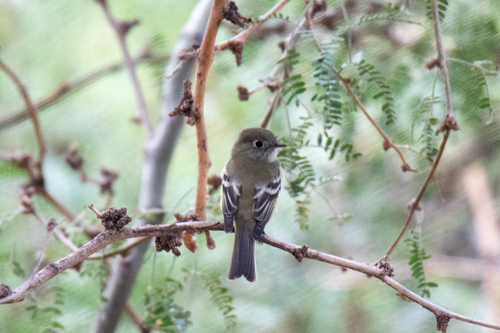 Hammond's Flycatcher
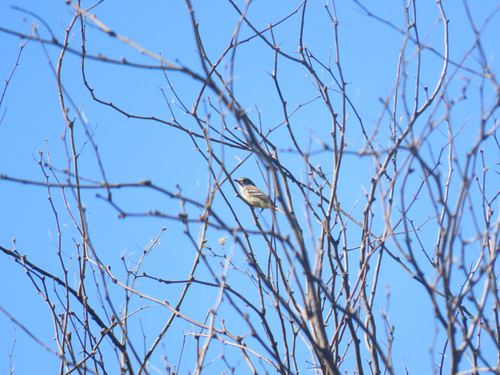 Dusky Flycatcher
In breve
Hammond's Flycatcher e Dusky Flycatcher sono notoriamente difficili da distinguere sul campo a causa delle loro sottili differenze di dimensione e colore. Le principali differenze risiedono nel loro comportamento di foraggiamento e negli habitat preferiti, con Hammond's spesso trovato più in alto nella chioma e Dusky più propenso a foraggiare in basso o sul terreno.
Consigli di identificazione
Osserva l'altezza e il comportamento di foraggiamento: Hammond's Flycatcher è più aereo e più in alto negli alberi, mentre Dusky Flycatcher spesso foraggia più in basso o sul terreno. Considera l'habitat: le foreste conifere mature suggeriscono Hammond's, mentre le aree con alberi diradati o aperture possono indicare Dusky.
Comportamento
Hammond's Flycatcher foraggia principalmente in modo aereo e più in alto nella chioma, specialmente all'inizio della stagione riproduttiva. Al contrario, Dusky Flycatcher è più incline a balzare sulla preda dal terreno o da arbusti bassi.
Habitat
Hammond's Flycatcher preferisce foreste conifere mature e di vecchia crescita, mentre Dusky Flycatcher può beneficiare di pratiche forestali che creano piccole aperture o diradano popolamenti densi.
Hammond's Flycatcher · Dusky Flycatcher · I miei uccelli difficili