
hammond's flycatcher vs dusky flycatcher
Empidonax hammondii versus Empidonax oberholseri
Jogue um quiz com hammond's flycatcher e dusky flycatcher
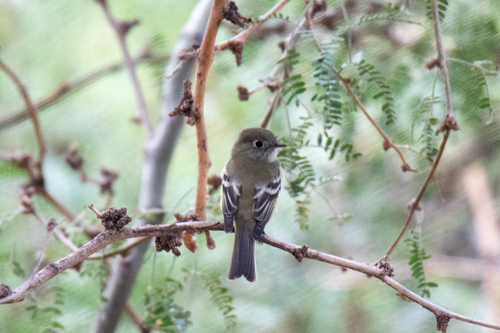 hammond's flycatcher
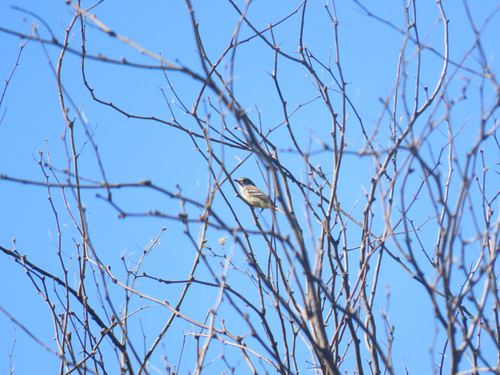 dusky flycatcher
Em resumo
Hammond's Flycatcher e dusky flycatcher são notoriamente difíceis de distinguir no campo devido às suas sutis diferenças de tamanho e cor. As principais diferenças estão no comportamento de forrageamento e nos habitats preferidos, com Hammond's frequentemente encontrado mais alto na copa das árvores e dusky mais propenso a forragear baixo ou no chão.
Dicas de identificação
Observe a altura e o comportamento de forrageamento: Hammond's Flycatcher é mais aéreo e mais alto nas árvores, enquanto dusky flycatcher frequentemente forrageia mais baixo ou no chão. Considere o habitat: florestas coníferas maduras sugerem Hammond's, enquanto áreas com talhões desbastados ou aberturas podem indicar dusky.
Comportamento
Hammond's Flycatcher forrageia principalmente de forma aérea e mais alto na copa das árvores, especialmente no início da temporada de reprodução. Em contraste, dusky flycatcher é mais propenso a atacar presas do chão ou de arbustos baixos.
Habitat
Hammond's Flycatcher prefere florestas coníferas maduras e de crescimento antigo, enquanto dusky flycatcher pode se beneficiar de práticas florestais que criam pequenas aberturas ou desbastam talhões densos.
hammond's flycatcher · dusky flycatcher · Minhas aves difíceis