
Least Tern vs Sterna zampenere
Sternula antillarum contro Gelochelidon nilotica
Fai un quiz con Least Tern e Sterna zampenere
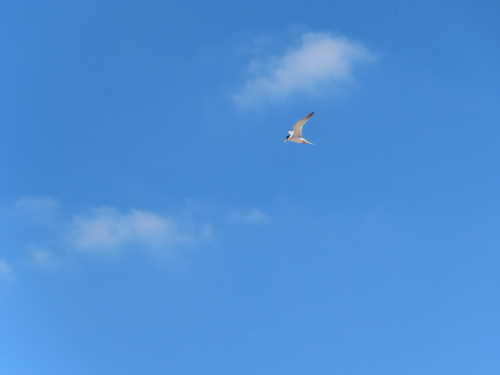 Least Tern
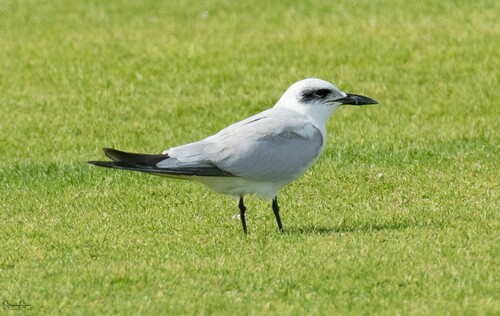 Sterna zampenere
In breve
Il segno distintivo più affidabile per separare il Least Tern dallo Sterna zampenere è la dimensione e la struttura: il Least Tern è molto più piccolo e delicato, con un becco giallo appuntito (in riproduzione) e un volo rapido e leggero, mentre lo Sterna zampenere è grande, robusto, con un becco nero corto e forte e ali più ampie. In volo, il Least Tern mostra una postura curvata e battiti d'ali rapidi e irregolari, mentre lo Sterna zampenere è più potente e simile a un gabbiano. Le differenze nel piumaggio sono sottili negli adulti, ma il colore e la forma del becco, insieme alla dimensione complessiva e al comportamento, sono decisivi a qualsiasi età. Gli uccelli immaturi e non in riproduzione possono essere difficili da identificare, ma le differenze strutturali rimangono chiare.
Consigli di identificazione
- Size is the first check: Il Least Tern è piccolo e delicato, lo Sterna zampenere è grande e robusto. Se l'uccello sembra quasi grande come un piccolo gabbiano, non è un Least Tern (vale per tutte le età e stagioni).
- Bill shape and color: Il Least Tern ha un becco sottile e appuntito—giallo con una punta nera in riproduzione, scuro in inverno. Lo Sterna zampenere ha un becco corto, spesso e robusto che è sempre nero negli adulti (tutte le stagioni). Questo è spesso il segno distintivo più rapido a qualsiasi distanza.
- Flight style: Il Least Tern è leggero, con battiti d'ali rapidi e irregolari e una postura curvata, spesso tenendo il becco leggermente rivolto verso il basso. Lo Sterna zampenere è più diretto, potente e simile a un gabbiano, con ali più ampie e meno rimbalzo.
- Leg color: Il Least Tern ha zampe giallastre (in riproduzione), mentre le zampe dello Sterna zampenere sono nere. Questo è visibile quando è appollaiato o a distanza ravvicinata.
- Head pattern (breeding): Il Least Tern mostra un cappello nero con una piccola macchia bianca sulla fronte sopra il becco. Lo Sterna zampenere ha un cappello nero solido senza macchia bianca in estate.
- Head pattern (non-breeding/immature): La fronte bianca del Least Tern si espande e il cappello nero diventa meno definito. Lo Sterna zampenere perde il cappello nero, mostrando una macchia scura attraverso l'occhio, simile al Forster's Tern o al Gabbiano corallino. I giovani di entrambi possono essere confusi, ma la struttura e la forma del becco rimangono affidabili.
- Upperwing pattern: Le ali del Least Tern sono grigie chiare con un nero evidente sulle primarie esterne (tutte le età). L'ala superiore dello Sterna zampenere è grigia, ma il nero sulle primarie è meno contrastante e l'ala complessiva è più ampia e meno appuntita.
- Tail and rump: Il Least Tern ha il posteriore e la coda grigia (non bianca), il che aiuta a separarlo da alcuni sterni simili ma non dallo Sterna zampenere. La coda dello Sterna zampenere è meno profondamente biforcuta e il posteriore non è così distintamente marcato.
- Habitat context: Il Least Tern preferisce spiagge sabbiose aperte e acque costiere poco profonde. Lo Sterna zampenere è più probabile che si trovi su paludi, campi o anche lontano dall'acqua, specialmente quando cerca insetti.
- Feeding behavior: Il Least Tern si tuffa per pesci, spesso sospendendosi prima di tuffarsi. Lo Sterna zampenere raramente si tuffa, invece cattura insetti in volo o cerca cibo a terra.
- Voice: Il Least Tern emette un richiamo acuto e stridulo; lo Sterna zampenere ha un 'ker-wik' più profondo. Usa questo solo se conosci entrambi i richiami.
- Mixed flocks: In aree dove si trovano entrambe le specie, la dimensione e la forma del becco risalteranno immediatamente in confronto diretto.
- Seasonal changes: In inverno, entrambe le specie perdono il cappello nero completo, ma il becco del Least Tern diventa completamente scuro e il motivo della testa è meno definito, mentre lo Sterna zampenere mostra una macchia scura attorno all'occhio. La struttura e il becco li separano ancora.
- Juvenile confusion: Il giovane Least Tern è ancora piccolo e con becco appuntito; il giovane Sterna zampenere è grande e con becco spesso, con una maschera sfumata ma altrimenti simile all'adulto in inverno.
- When in doubt: Se non riesci a giudicare la dimensione, concentrati sulla forma e sul colore del becco, poi sullo stile di volo. Questi sono affidabili a tutte le età e stagioni.
Taglia
Il Least Tern è drammaticamente più piccolo: 22–24 cm di lunghezza, 50 cm di apertura alare e 39–52 g di peso [wikipedia]. Lo Sterna zampenere è molto più grande e pesante: 33–42 cm di lunghezza, 76–91 cm di apertura alare e 150–292 g di peso [wikipedia]. Sul campo, questo significa che lo Sterna zampenere sembra quasi due volte più grande e molto più massiccio, con ali e zampe più lunghe. La differenza è ovvia anche a distanza o in stormi misti.
Piumaggio
Gli uccelli giovani e non in riproduzione sono spesso confusi, ma la struttura e il colore del becco aiutano. Il Least Tern (tutte le età) mostra parti superiori grigie chiare, parti inferiori bianche e negli adulti in riproduzione un cappello nero con una piccola macchia bianca sulla fronte; in inverno, la fronte bianca si espande e il cappello nero diventa meno definito. Il becco è giallo con una punta nera in estate, diventando scuro in inverno. Le ali sono grigie chiare con primarie esterne nere. Gli adulti dello Sterna zampenere hanno parti superiori grigie, parti inferiori bianche, un cappello nero solido in estate e un becco e zampe neri robusti. In inverno, il cappello nero viene perso, sostituito da una macchia scura attorno all'occhio. I giovani somigliano agli adulti in inverno ma con una maschera più sfumata. Entrambe le specie hanno parti inferiori bianche, ma il Least Tern è più chiaro sopra e ha un aspetto più piccolo e delicato. Il nero sulle primarie esterne del Least Tern è più evidente rispetto allo Sterna zampenere, ma questo è sottile rispetto alle differenze di dimensione e becco.
Comportamento
Il Least Tern è agile e leggero, con battiti d'ali rapidi e irregolari e una postura di volo distintiva curvata, spesso sospendendosi prima di tuffarsi poco profondamente per pesci. Di solito cerca cibo su estuari, lagune e acque costiere. Lo Sterna zampenere è più potente e simile a un gabbiano in volo, con ali più ampie e uno stile di volo più diretto e meno leggero. Raramente si tuffa, invece cattura insetti in volo o cerca cibo su campi e paludi. Lo Sterna zampenere appare spesso più robusto e meno delicato in tutti i comportamenti.
Habitat
Il Least Tern nidifica su spiagge sabbiose aperte, estuari e lagune, di solito vicino a acque poco profonde in Nord America e localmente nel nord del Sud America. È raramente trovato lontano dall'acqua e preferisce terreni aperti ed esposti per nidificare. Lo Sterna zampenere è più versatile, nidificando in località sparse in Europa, Asia, Africa e Americhe, spesso in paludi salmastre costiere, laghi e persino campi umidi. In Nord America, è per lo più costiero e associato all'acqua salata, ma può essere visto su una gamma più ampia di habitat, comprese paludi interne e aree agricole.
Voce
Il Least Tern ha un richiamo distintivo e stridulo, di tono più alto e più rapido rispetto allo Sterna zampenere. Lo Sterna zampenere emette un richiamo caratteristico 'ker-wik', che è più profondo e meno acuto. La voce è utile se conosci bene entrambe le specie, ma meno affidabile rispetto alla struttura e al colore del becco per una rapida separazione sul campo.