
trinta-réis-miúdo vs trinta-réis-de-bico-preto
Sternula antillarum versus Gelochelidon nilotica
Jogue um quiz com trinta-réis-miúdo e trinta-réis-de-bico-preto
 trinta-réis-miúdo
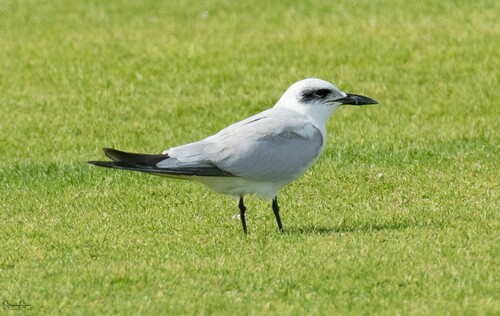 trinta-réis-de-bico-preto
Em resumo
A marca de campo mais confiável para separar o trinta-réis-miúdo do trinta-réis-de-bico-preto é o tamanho e a estrutura: o trinta-réis-miúdo é muito menor e mais delicado, com um bico amarelo afiado (na época de reprodução) e um voo rápido e leve, enquanto o trinta-réis-de-bico-preto é grande, robusto, com um bico preto curto e forte e asas mais largas. Em voo, o trinta-réis-miúdo apresenta uma postura corcunda e batidas de asa rápidas e abruptas, enquanto o trinta-réis-de-bico-preto é mais poderoso e semelhante a uma gaivota. As diferenças de plumagem são sutis em adultos, mas a cor e a forma do bico, juntamente com o tamanho geral e a aparência, são decisivas em qualquer idade. Aves imaturas e não reprodutoras podem ser complicadas, mas as diferenças estruturais permanecem claras.
Dicas de identificação
- O tamanho é a primeira verificação: O trinta-réis-miúdo é minúsculo e delicado, o trinta-réis-de-bico-preto é grande e robusto. Se a ave parece quase do tamanho de uma gaivota pequena, não é um trinta-réis-miúdo (aplica-se a todas as idades e estações).
- Forma e cor do bico: O trinta-réis-miúdo tem um bico esguio e afilado—amarelo com uma ponta preta na época de reprodução, escuro no inverno. O trinta-réis-de-bico-preto tem um bico curto, grosso e forte que é sempre preto em adultos (todas as estações). Esta é frequentemente a marca de campo mais rápida a qualquer distância.
- Estilo de voo: O trinta-réis-miúdo é leve, com batidas de asa rápidas e abruptas e uma postura corcunda, frequentemente segurando o bico ligeiramente para baixo. O trinta-réis-de-bico-preto é mais direto, poderoso e semelhante a uma gaivota, com asas mais largas e menos impulso.
- Cor das pernas: O trinta-réis-miúdo tem pernas amareladas (na época de reprodução), enquanto as pernas do trinta-réis-de-bico-preto são pretas. Isso é visível quando empoleirado ou a curta distância.
- Padrão da cabeça (reprodução): O trinta-réis-miúdo apresenta uma touca preta com uma pequena mancha branca limpa na testa acima do bico. O trinta-réis-de-bico-preto tem uma touca preta sólida sem mancha branca na testa no verão.
- Padrão da cabeça (não reprodução/imatura): A testa branca do trinta-réis-miúdo se expande e a touca preta se torna menos definida. O trinta-réis-de-bico-preto perde a touca preta, mostrando uma mancha escura ao redor do olho, semelhante à gaivina-de-forster ou à gaivota-de-cabeça-preta. Os juvenis de ambos podem ser confusos, mas a estrutura e a forma do bico permanecem confiáveis.
- Padrão da asa superior: As asas do trinta-réis-miúdo são cinza claro com preto conspícuo nas primárias externas (todas as idades). A asa superior do trinta-réis-de-bico-preto é cinza, mas o preto nas primárias é menos contrastante e a asa geral é mais larga e menos pontuda.
- Cauda e rabo: O trinta-réis-miúdo tem rabo e cauda cinzas (não brancas), o que ajuda a separá-lo de algumas gaivinas semelhantes, mas não do trinta-réis-de-bico-preto. A cauda do trinta-réis-de-bico-preto é menos profundamente bifurcada e o rabo não é tão distintamente marcado.
- Contexto do habitat: O trinta-réis-miúdo prefere praias de areia abertas e águas costeiras rasas. O trinta-réis-de-bico-preto é mais provável de ser encontrado sobre pântanos, campos ou até longe da água, especialmente ao forragear por insetos.
- Comportamento alimentar: O trinta-réis-miúdo mergulha para pescar, frequentemente pairando antes de mergulhar. O trinta-réis-de-bico-preto raramente mergulha, em vez disso, captura insetos em voo ou forrageia no chão.
- Voz: O trinta-réis-miúdo emite um chamado agudo e estridente; o trinta-réis-de-bico-preto tem um 'ker-wik' mais profundo. Use isso apenas se você estiver familiarizado com ambos os chamados.
- Bandos mistos: Em áreas onde ambas as espécies ocorrem, o tamanho e a forma do bico se destacam imediatamente em comparação direta.
- Mudanças sazonais: No inverno, ambas as espécies perdem a touca preta completa, mas o bico do trinta-réis-miúdo se torna todo escuro e o padrão da cabeça é menos definido, enquanto o trinta-réis-de-bico-preto mostra uma mancha escura ao redor do olho. A estrutura e o bico ainda os separam.
- Confusão juvenil: O juvenil trinta-réis-miúdo ainda é minúsculo e com bico pontudo; o juvenil trinta-réis-de-bico-preto é grande e com bico grosso, com uma máscara fraca, mas de outra forma semelhante ao adulto de inverno.
- Quando em dúvida: Se você não consegue julgar o tamanho, concentre-se na forma e cor do bico, depois no estilo de voo. Estes são confiáveis em todas as idades e estações.
Tamanho
O trinta-réis-miúdo é dramaticamente menor: 22–24 cm de comprimento, 50 cm de envergadura e 39–52 g de peso [wikipedia]. O trinta-réis-de-bico-preto é muito maior e mais pesado: 33–42 cm de comprimento, 76–91 cm de envergadura e 150–292 g de peso [wikipedia]. No campo, isso significa que o trinta-réis-de-bico-preto parece quase duas vezes maior e muito mais robusto, com asas e pernas mais longas. A diferença é óbvia mesmo à distância ou em bandos mistos.
Plumagem
Aves juvenis e não reprodutoras são frequentemente confundidas, mas a estrutura e a cor do bico ajudam. O trinta-réis-miúdo (todas as idades) apresenta partes superiores cinza claro, partes inferiores brancas e, em adultos reprodutores, uma touca preta com uma pequena mancha branca na testa; no inverno, a mancha branca se expande e a touca preta se torna menos definida. O bico é amarelo com uma ponta preta no verão, tornando-se escuro no inverno. As asas são cinza claro com pretas nas primárias externas. Os adultos do trinta-réis-de-bico-preto têm partes superiores cinzas, partes inferiores brancas, uma touca preta sólida no verão e um bico e pernas pretos fortes. No inverno, a touca preta é perdida, substituída por uma mancha escura ao redor do olho. Os juvenis se assemelham aos adultos de inverno, mas com uma máscara mais fraca. Ambas as espécies têm partes inferiores brancas, mas o trinta-réis-miúdo é mais claro acima e tem uma aparência menor e mais delicada. O preto nas primárias externas do trinta-réis-miúdo é mais conspícuo do que no trinta-réis-de-bico-preto, mas isso é sutil em comparação com as diferenças de tamanho e bico.
Comportamento
O trinta-réis-miúdo é ágil e leve, com batidas de asa rápidas e abruptas e uma postura de voo corcunda distinta, frequentemente pairando antes de mergulhar raso para pescar. Ele geralmente forrageia sobre estuários, lagoas e águas costeiras. O trinta-réis-de-bico-preto é mais poderoso e semelhante a uma gaivota em voo, com asas mais largas e um estilo de voo mais direto e menos leve. Ele raramente mergulha, em vez disso, captura insetos em voo ou forrageia sobre campos e pântanos. O trinta-réis-de-bico-preto frequentemente parece mais robusto e menos delicado em todos os comportamentos.
Habitat
O trinta-réis-miúdo se reproduz em praias de areia abertas, estuários e lagoas, geralmente perto de águas rasas na América do Norte e localmente no norte da América do Sul. Ele raramente é encontrado longe da água e prefere solo aberto e exposto para nidificação. O trinta-réis-de-bico-preto é mais versátil, reproduzindo-se em localidades dispersas pela Europa, Ásia, África e Américas, frequentemente em pântanos costeiros, lagos e até campos úmidos. Na América do Norte, é principalmente costeiro e associado à água salgada, mas pode ser visto em uma gama mais ampla de habitats, incluindo pântanos interiores e áreas agrícolas.
Voz
O trinta-réis-miúdo tem um chamado distintivo e estridente, mais agudo e rápido do que o trinta-réis-de-bico-preto. O trinta-réis-de-bico-preto emite um chamado característico 'ker-wik', que é mais profundo e menos agudo. A voz é útil se você conhecer bem ambas as espécies, mas é menos confiável do que a estrutura e a cor do bico para uma separação rápida em campo.
trinta-réis-miúdo · trinta-réis-de-bico-preto · Minhas aves difíceis