
Little Nightjar vs Ocellated Poorwill
Setopagis parvula contro Nyctiphrynus ocellatus
Fai un quiz con Little Nightjar e Ocellated Poorwill
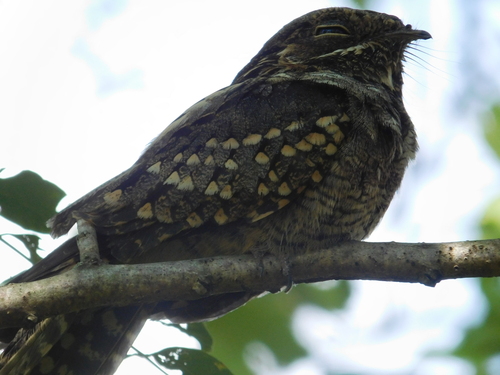 Little Nightjar
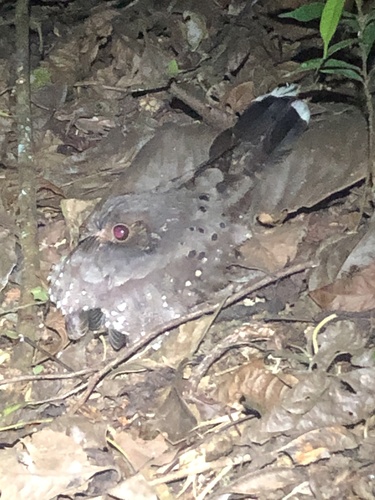 Ocellated Poorwill
In breve
Il Little Nightjar e l'Ocellated Poorwill possono essere distinti per il loro piumaggio e le preferenze di habitat. Il Little Nightjar presenta un distintivo ampio collare fulvo e marcature bianche sulle ali e sulla coda, mentre l'Ocellated Poorwill manca di queste specifiche marcature. L'habitat può anche aiutare nell'identificazione, poiché il Little Nightjar preferisce boschi aperti, mentre l'Ocellated Poorwill si trova tipicamente in aree forestali più dense.
Consigli di identificazione
Cerca il broad tawny collar e le white markings sulle ali e sulla coda del Little Nightjar. Controlla l'habitat: boschi aperti suggeriscono Little Nightjar, mentre foreste più dense suggeriscono Ocellated Poorwill.
Piumaggio
Il Little Nightjar è generalmente marrone grigiastro con un ampio collare fulvo sulla nuca, una macchia bianca sulla gola, una macchia bianca vicino alla punta dell'ala e punte bianche su tutte le piume della coda tranne quelle centrali. Al contrario, l'Ocellated Poorwill manca di queste specifiche marcature bianche.
Habitat
Il Little Nightjar abita boschi aperti nelle pianure del centro e dell'est del Sud America. L'Ocellated Poorwill è più associato a aree forestali più dense.
Little Nightjar · Ocellated Poorwill · I miei uccelli difficili