
Kleine nachtzwaluw vs Gevlekte nachtzwaluw
Setopagis parvula versus Nyctiphrynus ocellatus
Speel een quiz met Kleine nachtzwaluw en Gevlekte nachtzwaluw
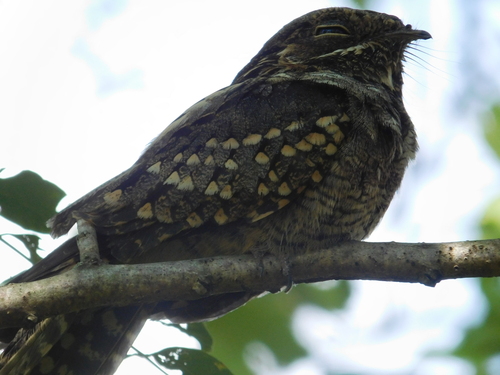 Kleine nachtzwaluw
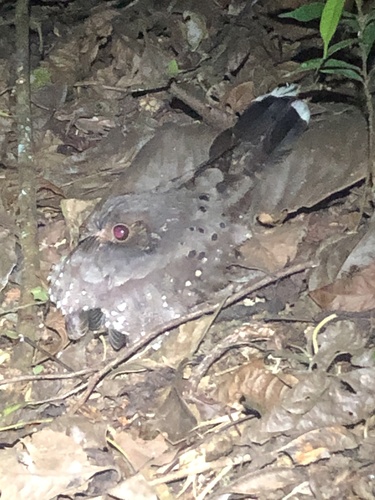 Gevlekte nachtzwaluw
Kort gezegd
De Kleine nachtzwaluw en Gevlekte nachtzwaluw kunnen worden onderscheiden op basis van hun verenkleed en habitatvoorkeuren. De Kleine nachtzwaluw heeft een kenmerkende brede kastanjebruine kraag en witte markeringen op de vleugels en staart, terwijl de Gevlekte nachtzwaluw deze specifieke markeringen mist. Het habitat kan ook helpen bij de identificatie, aangezien de Kleine nachtzwaluw de voorkeur geeft aan open bossen, terwijl de Gevlekte nachtzwaluw doorgaans in dichtere bosgebieden wordt aangetroffen.
Herkenningstips
Let op de brede kastanjebruine kraag en witte markeringen op de vleugels en staart van de Kleine nachtzwaluw. Controleer het habitat: open bossen wijzen op de Kleine nachtzwaluw, terwijl dichtere bossen wijzen op de Gevlekte nachtzwaluw.
Verenkleed
De Kleine nachtzwaluw is over het algemeen grijsbruin met een brede kastanjebruine kraag over de achterhals, een witte keelvlek, een witte vlek nabij de vleugeltip en witte uiteinden op alle staartveren behalve de centrale. In tegenstelling hiermee mist de Gevlekte nachtzwaluw deze specifieke witte markeringen.
Habitat
Kleine nachtzwaluw komt voor in open bossen in de laaglanden van centraal en oostelijk Zuid-Amerika. Gevlekte nachtzwaluw wordt meer geassocieerd met dichtere bosgebieden.
Kleine nachtzwaluw · Gevlekte nachtzwaluw · Mijn lastige vogels