
Malagasy Brush-Warbler vs Subdesert Brush-Warbler
Nesillas typica contro Nesillas lantzii
Fai un quiz con Malagasy Brush-Warbler e Subdesert Brush-Warbler
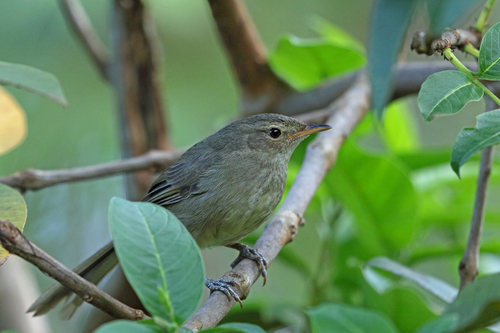 Malagasy Brush-Warbler
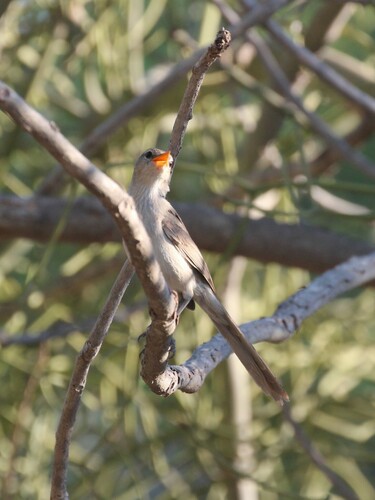 Subdesert Brush-Warbler
In breve
Malagasy Brush-Warbler e Subdesert Brush-Warbler sono entrambi Nesillas warblers del Madagascar, ma il Malagasy è più diffuso (anche nelle Comore) e si trova tipicamente nel sottobosco forestale, mentre il Subdesert è ristretto al Madagascar. Il segno di campo più affidabile, basato sulle informazioni disponibili, è il contrasto delle sopracciglia bianche del Malagasy contro il piumaggio marrone. Entrambe le specie sono strutturalmente simili: slanciate, con lunghe code graduate e ali corte e arrotondate, ma il Malagasy tende a essere leggermente più pesante e può apparire un po' più robusto. Sul campo, l'habitat e la presenza o assenza di marcature facciali audaci sono i tuoi migliori indizi, poiché mancano informazioni dettagliate sulle differenze di piumaggio specifiche per età o vocali.
Consigli di identificazione
- Sopracciglia bianche: Malagasy Brush-Warbler mostra audaci e contrastanti sopracciglia bianche sopra un volto marrone—questo è il segno di campo più affidabile e si applica a tutte le età e stagioni. Subdesert Brush-Warbler non presenta alcuna menzione di un tale forte contrasto facciale.
- Struttura facciale: Il Malagasy ha una fronte e una corona basse, a volte sollevate a una leggera cresta. Cerca questa forma sottile negli uccelli in posa, anche se potrebbe essere difficile giudicare senza un confronto diretto.
- Forma e lunghezza della coda: Entrambe le specie hanno lunghe code graduate; questo non è un segno separatore ma aiuta a confermare che hai un Nesillas warbler.
- Forma dell'ala: Entrambe hanno ali corte e arrotondate, che contribuiscono ai loro voli deboli e brevi. Questo non è diagnostico tra i due ma aiuta a distinguerli da altri warblers malgasci.
- Dimensioni: Il Malagasy è leggermente più pesante (18.1g) e può apparire un po' più robusto, ma questo non è un segno affidabile sul campo a meno che entrambe le specie non siano viste insieme.
- Habitat: Il Malagasy si trova nel sottobosco forestale, specialmente in foreste umide o secche e arbusteti, ed è diffuso in Madagascar e nelle Comore. Il Subdesert è ristretto al Madagascar e probabilmente preferisce habitat più secchi e aperti—usa questo contesto se conosci la tua posizione e il tipo di habitat.
- Comportamento: Entrambe le specie sono solitarie o in coppie e tendono a volare brevi distanze. Il comportamento non è un separatore affidabile.
- Becco: Il Malagasy ha un lungo becco marrone, ma non ci sono informazioni comparative per il Subdesert; non usare questo segno da solo.
- Viste in volo: Non è descritto alcun modello distintivo di ali o coda per entrambe le specie in volo, quindi non fare affidamento su marcature delle ali superiori o della coda per la separazione.
- Piumaggio giovanile/immaturo: Non sono disponibili informazioni per differenze specifiche per età, quindi tutti i segni di campo sopra si applicano ugualmente a adulti e immaturi.
- Vocalizzazioni: Non sono disponibili informazioni comparative; non usare canto o richiamo per la separazione basata sulle fonti attuali.
- Dimorfismo sessuale: Entrambi i sessi sono simili nella struttura e nel piumaggio, con solo lievi differenze di dimensione (i maschi leggermente più grandi nel Malagasy).
- Trappole: La principale trappola è trascurare la sopracciglia bianca del Malagasy Brush-Warbler o assumere che l'habitat da solo sia diagnostico—cerca sempre prima il contrasto facciale.
- Gamma geografica: Se sei nelle Comore, è probabile che tu incontri solo il Malagasy Brush-Warbler. In Madagascar, controlla l'habitat e le marcature facciali.
- Quando hai dubbi: Dai priorità alla presenza di audaci sopracciglia bianche e al contesto dell'habitat; se nessuno dei due è chiaro, l'identificazione potrebbe non essere possibile con le informazioni attuali.
Taglia
Malagasy Brush-Warbler pesa in media 18.1g [wikidata], con aperture alari maschili di 62–70mm e code di 72–93mm (femmine leggermente più piccole: ali 58–67mm, code 67–83mm) [wikipedia]. Non sono disponibili misurazioni dirette per il Subdesert Brush-Warbler, ma strutturalmente entrambi sono descritti come slanciati, con lunghe code graduate e ali corte e arrotondate. Aspettati che il Malagasy sia marginalmente più pesante e possibilmente un po' più robusto, ma questo è sottile e non è un segno affidabile sul campo senza un confronto affiancato.
Piumaggio
Per entrambe le specie, gli adulti sono generalmente marroni sopra e più chiari sotto, ma il Malagasy Brush-Warbler si distingue per le sue sopracciglia bianche a forte contrasto—una caratteristica non attribuita al Subdesert Brush-Warbler nelle fonti disponibili. Il Malagasy mostra anche una fronte e una corona basse, a volte formando una leggera cresta. Non sono disponibili informazioni dettagliate per i piumaggi giovanili o immaturi, né per differenze specifiche nei modelli delle ali in volo. Pertanto, la migliore separazione in tutti i piumaggi è la presenza o assenza di audaci sopracciglia bianche e il contrasto facciale complessivo. Entrambi hanno lunghe code graduate e ali corte e arrotondate, senza menzione di modelli distintivi delle ali superiori specifici per età.
Comportamento
Entrambe le specie sono descritte come tipicamente solitarie o in coppie e tendono a volare brevi distanze, probabilmente a causa delle loro ali corte e arrotondate. Il Malagasy Brush-Warbler è noto per essere un uccello del sottobosco forestale, il che può influenzare il suo comportamento: si muove furtivamente, cerca cibo in basso e compie rapide corse tra la copertura. Non è descritto alcun tratto comportamentale che separi affidabilmente il Subdesert dal Malagasy sul campo, a parte possibili preferenze di habitat.
Habitat
Malagasy Brush-Warbler è diffuso in Madagascar e nelle Isole Comore, abitante del sottobosco forestale in foreste secche subtropicali o tropicali, foreste umide di pianura e arbusteti umidi [wikipedia]. Subdesert Brush-Warbler è ristretto al Madagascar e, per implicazione del suo nome e della sua gamma, probabilmente favorisce habitat più secchi, aperti o subdesertici, anche se questo non è esplicitamente dichiarato nelle note disponibili. Pertanto, il contesto dell'habitat può essere utile: Malagasy nel sottobosco forestale umido, Subdesert in aree più secche e aperte.
Malagasy Brush-Warbler · Subdesert Brush-Warbler · I miei uccelli difficili