
malagasy brush-warbler vs subdesert brush-warbler
Nesillas typica versus Nesillas lantzii
Jogue um quiz com malagasy brush-warbler e subdesert brush-warbler
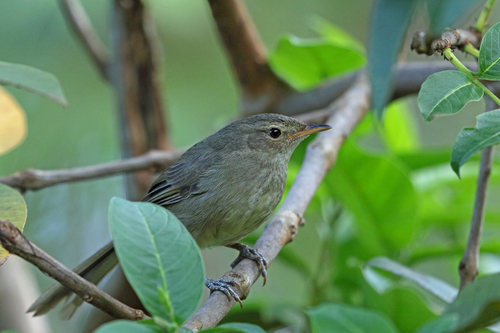 malagasy brush-warbler
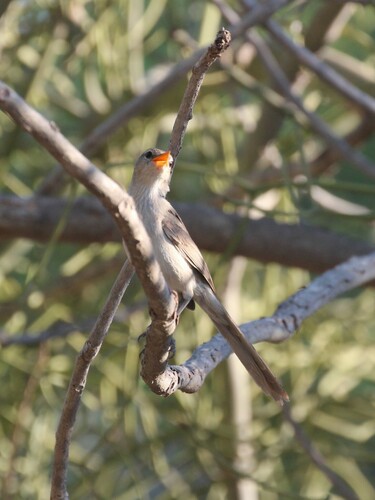 subdesert brush-warbler
Em resumo
Malagasy brush-warbler e subdesert brush-warbler são ambos warblers Nesillas de Madagascar, mas o malagasy é mais amplamente distribuído (também nas Comores) e tipicamente encontrado em sub-bosques florestais, enquanto o subdesert é restrito a Madagascar. A marca de campo mais confiável, com base nas informações disponíveis, são as sobrancelhas brancas contrastantes do malagasy contra a plumagem marrom. Ambas as espécies são estruturalmente semelhantes—esbeltas, com caudas longas e graduadas e asas curtas e arredondadas—mas o malagasy tende a ser ligeiramente mais pesado e pode parecer um pouco mais robusto. No campo, o habitat e a presença ou ausência de marcas faciais ousadas são suas melhores pistas, já que informações detalhadas sobre plumagem específica para idade ou diferenças vocais estão ausentes.
Dicas de identificação
- Sobrancelhas brancas: Malagasy brush-warbler exibe sobrancelhas brancas ousadas e contrastantes acima de um rosto marrom—esta é a marca de campo mais confiável e se aplica a todas as idades e estações. Subdesert brush-warbler não apresenta menção a um contraste facial tão forte.
- Estrutura facial: Malagasy tem uma testa e coroa baixas, às vezes elevadas a uma leve crista. Procure por essa forma sutil em aves empoleiradas, embora possa ser difícil de julgar sem comparação direta.
- Forma e comprimento da cauda: Ambas as espécies têm caudas longas e graduadas; esta não é uma marca separadora, mas ajuda a confirmar que você tem um warbler Nesillas.
- Forma da asa: Ambas têm asas curtas e arredondadas, que contribuem para seus voos fracos e curtos. Isso não é diagnóstico entre as duas, mas ajuda a distingui-las de outros warblers malgaxes.
- Tamanho: Malagasy é ligeiramente mais pesado (18,1g) e pode parecer um pouco mais robusto, mas esta não é uma marca confiável no campo, a menos que ambas as espécies sejam vistas juntas.
- Habitat: Malagasy é encontrado em sub-bosques florestais, especialmente em florestas úmidas ou secas e em áreas de arbustos, e é amplamente distribuído em Madagascar e nas Comores. Subdesert é restrito a Madagascar e provavelmente prefere habitats mais secos e abertos—use esse contexto se você souber sua localização e tipo de habitat.
- Comportamento: Ambas as espécies são solitárias ou em pares e tendem a voar distâncias curtas. O comportamento não é um separador confiável.
- Bico: Malagasy tem um bico longo e marrom, mas não há informações comparativas para o subdesert; não use esta marca sozinha.
- Visões de voo: Nenhum padrão distintivo de asa ou cauda é descrito para qualquer uma das espécies em voo, então não confie em marcas de asa superior ou cauda para separação.
- Plumagem juvenil/imatura: Não há informações disponíveis sobre diferenças específicas de idade, então todas as marcas de campo acima se aplicam igualmente a adultos e imaturos.
- Vocalizações: Não há informações comparativas disponíveis; não use canto ou chamado para separação com base nas fontes atuais.
- Dimorfismo sexual: Ambos os sexos são semelhantes em estrutura e plumagem, com apenas pequenas diferenças de tamanho (machos ligeiramente maiores no malagasy).
- Armadilhas: A principal armadilha é ignorar a sobrancelha branca do Malagasy brush-warbler ou assumir que o habitat sozinho é diagnóstico—sempre procure primeiro o contraste facial.
- Distribuição geográfica: Se você estiver nas Comores, é provável que encontre apenas o Malagasy brush-warbler. Em Madagascar, verifique o habitat e as marcas faciais.
- Quando em dúvida: Priorize a presença de sobrancelhas brancas ousadas e o contexto do habitat; se nenhum dos dois estiver claro, a identificação pode não ser possível com as informações atuais.
Tamanho
Malagasy brush-warbler tem uma média de 18,1g de massa corporal [wikidata], com envergaduras de machos de 62–70mm e caudas de 72–93mm (fêmeas ligeiramente menores: asas 58–67mm, caudas 67–83mm) [wikipedia]. Nenhuma medição direta está disponível para o subdesert brush-warbler, mas estruturalmente ambos são descritos como esbeltos, com caudas longas e graduadas e asas curtas e arredondadas. Espere que o malagasy seja marginalmente mais pesado e possivelmente um pouco mais robusto, mas isso é sutil e não é uma marca de campo confiável sem comparação lado a lado.
Plumagem
Para ambas as espécies, os adultos são geralmente marrons por cima e mais claros por baixo, mas o Malagasy brush-warbler se destaca com suas sobrancelhas brancas contrastantes—uma característica não atribuída ao subdesert brush-warbler nas fontes disponíveis. O Malagasy também apresenta uma testa e coroa baixas, às vezes formando uma leve crista. Não há informações detalhadas disponíveis para plumagens juvenis ou imaturas, nem para diferenças específicas de padrões de asa em voo. Assim, a melhor separação em todas as plumagens é a presença ou ausência de sobrancelhas brancas ousadas e o contraste facial geral. Ambos têm caudas longas e graduadas e asas curtas e arredondadas, sem menção de padrões de asa superiores específicos para idade.
Comportamento
Ambas as espécies são descritas como tipicamente solitárias ou em pares e tendem a voar distâncias curtas, provavelmente devido às suas asas curtas e arredondadas. O Malagasy brush-warbler é notado por ser uma ave de sub-bosque florestal, o que pode influenciar seu comportamento—escondendo-se, forrageando baixo e fazendo rápidas corridas entre a cobertura. Não há traço comportamental descrito que separe de forma confiável o subdesert do malagasy no campo, além de possíveis preferências de habitat.
Habitat
Malagasy brush-warbler é amplamente distribuído em Madagascar e nas Ilhas Comores, habitando sub-bosques florestais em florestas secas subtropicais ou tropicais, florestas úmidas de planície e áreas de arbustos úmidos [wikipedia]. Subdesert brush-warbler é restrito a Madagascar e, pela implicação de seu nome e distribuição, provavelmente prefere habitats mais secos, abertos ou subdesérticos, embora isso não esteja explicitamente declarado nas notas disponíveis. Assim, o contexto do habitat pode ser útil: Malagasy em sub-bosques florestais úmidos, Subdesert em áreas mais secas e abertas.
malagasy brush-warbler · subdesert brush-warbler · Minhas aves difíceis