
Northern Bentbill vs Slate-headed Tody-Flycatcher
Oncostoma cinereigulare contro Poecilotriccus sylvia
Fai un quiz con Northern Bentbill e Slate-headed Tody-Flycatcher
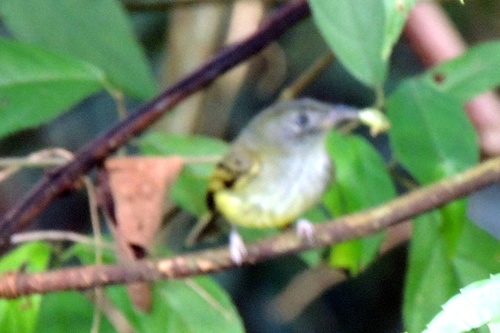 Northern Bentbill
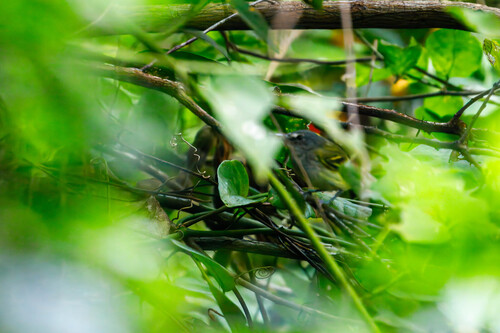 Slate-headed Tody-Flycatcher
In breve
Il Northern Bentbill si distingue per il suo becco corto, largo e decisamente ricurvo verso il basso, mentre il Slate-headed Tody-Flycatcher ha una testa grigia scura con un segno loriale chiaro e due bande alari gialle ben definite. Entrambe le specie hanno richiami simili a quelli delle rane, ma i loro habitat e le strutture di nidificazione differiscono.
Consigli di identificazione
Cerca il becco decisamente ricurvo verso il basso del Northern Bentbill come caratteristica distintiva principale. Per il Slate-headed Tody-Flycatcher, nota la testa grigia scura e le bande alari gialle. Considera l'habitat: Northern Bentbill ai margini delle foreste rispetto al Slate-headed Tody-Flycatcher in folta vegetazione.
Piumaggio
Il Northern Bentbill ha un'iride chiara e manca delle bande alari gialle ben definite viste nel Slate-headed Tody-Flycatcher, che presenta anche parti superiori verde oliva e una testa grigia scura.
Habitat
Il Northern Bentbill si nutre nel sottobosco e nella parte centrale dei cespugli e dei margini delle foreste, mentre il Slate-headed Tody-Flycatcher preferisce la vegetazione densa e le trame di vite.
Voce
Entrambe le specie producono richiami che suonano simili a quelli degli insetti o delle rane.
Northern Bentbill · Slate-headed Tody-Flycatcher · I miei uccelli difficili