
Olive-streaked Flycatcher vs Pale-eyed Pygmy-Tyrant
Mionectes olivaceus contro Atalotriccus pilaris
Fai un quiz con Olive-streaked Flycatcher e Pale-eyed Pygmy-Tyrant
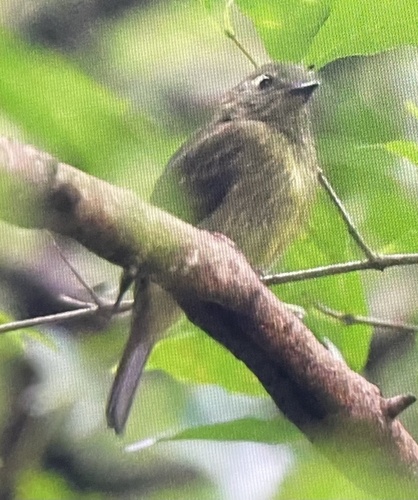 Olive-streaked Flycatcher
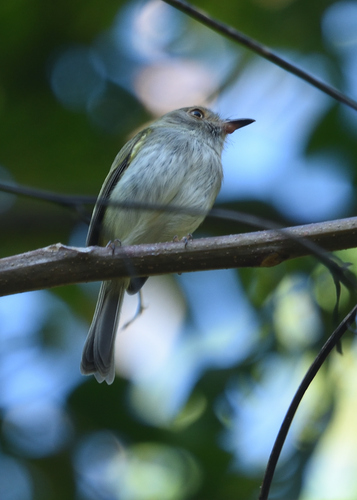 Pale-eyed Pygmy-Tyrant
In breve
L'Olive-streaked Flycatcher e il Pale-eyed Pygmy-Tyrant possono essere distinti dal colore degli occhi e dalle vocalizzazioni. L'Olive-streaked Flycatcher ha un aspetto più tenue con toni oliva, mentre il Pale-eyed Pygmy-Tyrant è noto per i suoi occhi chiari e i richiami forti e distintivi.
Consigli di identificazione
Controlla prima il colore degli occhi: il Pale-eyed Pygmy-Tyrant ha occhi chiari, mentre l'Olive-streaked Flycatcher no. Ascolta i richiami: il Pale-eyed Pygmy-Tyrant ha trilli forti e veloci. Osserva il comportamento: il Pale-eyed Pygmy-Tyrant spesso cerca cibo in coppia e raccoglie insetti dalle punte delle foglie.
Piumaggio
L'Olive-streaked Flycatcher ha toni oliva, mentre il Pale-eyed Pygmy-Tyrant è caratterizzato dai suoi occhi chiari. Entrambe le specie mancano di segni distintivi, rendendo il colore degli occhi un differenziatore chiave.
Comportamento
Il Pale-eyed Pygmy-Tyrant cerca tipicamente cibo in coppia ed è noto per saltare verso le punte delle foglie per raccogliere insetti. Questo comportamento potrebbe aiutare a distinguerlo dall'Olive-streaked Flycatcher, che non ha un comportamento di ricerca cibo specifico notato.
Habitat
Il Pale-eyed Pygmy-Tyrant abita aree boschive secche e umide, comprese le foreste a galleria, ed è adattabile a habitat disturbati. Si trova generalmente al di sotto di 800 m, ma può essere registrato fino a 2.000 m. L'habitat dell'Olive-streaked Flycatcher non è specificato qui.
Voce
Il Pale-eyed Pygmy-Tyrant è noto per i suoi richiami forti che sono spesso 'arrotolati' in trilli veloci, che sono sproporzionati rispetto alla sua dimensione corporea. Non ci sono informazioni specifiche sulle vocalizzazioni per l'Olive-streaked Flycatcher.
Olive-streaked Flycatcher · Pale-eyed Pygmy-Tyrant · I miei uccelli difficili