
olive-streaked flycatcher vs maria-de-olho-claro
Mionectes olivaceus versus Atalotriccus pilaris
Jogue um quiz com olive-streaked flycatcher e maria-de-olho-claro
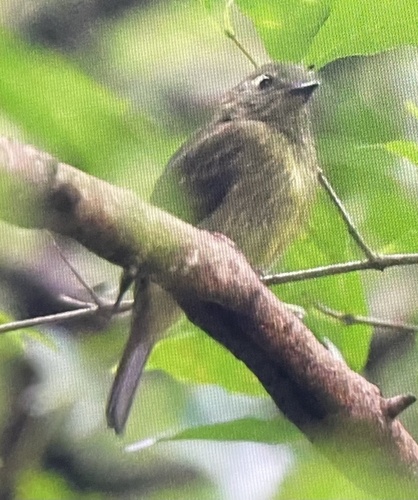 olive-streaked flycatcher
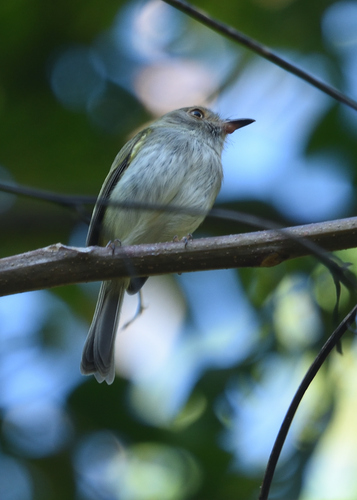 maria-de-olho-claro
Em resumo
O olive-bem-te-vi-rajado e a maria-de-olho-claro podem ser distinguidos pela cor dos olhos e vocalizações. O olive-bem-te-vi-rajado tem uma aparência mais suave com tons de oliva, enquanto a maria-de-olho-claro é conhecida por seus olhos claros e chamados altos e distintos.
Dicas de identificação
Verifique a cor dos olhos primeiro: A maria-de-olho-claro tem olhos claros, enquanto o olive-bem-te-vi-rajado não. Ouça os chamados: A maria-de-olho-claro tem trilos altos e rápidos. Observe o comportamento: A maria-de-olho-claro frequentemente forrageia em pares e coleta insetos do topo das folhas.
Plumagem
O olive-bem-te-vi-rajado tem tons de oliva, enquanto a maria-de-olho-claro é caracterizada por seus olhos claros. Ambas as espécies não possuem marcas distintivas, tornando a cor dos olhos um diferenciador chave.
Comportamento
A maria-de-olho-claro tipicamente forrageia em pares e é conhecida por saltar para o topo das folhas para coletar insetos. Esse comportamento pode ajudar a distingui-la do olive-bem-te-vi-rajado, que não tem comportamento de forrageio específico notado.
Habitat
A maria-de-olho-claro habita áreas de floresta secas e úmidas, incluindo florestas de galeria, e é adaptável a habitats perturbados. Geralmente é encontrada abaixo de 800 m, mas pode ser registrada até 2.000 m. O habitat do olive-bem-te-vi-rajado não é especificado aqui.
Voz
A maria-de-olho-claro é conhecida por seus chamados altos que muitas vezes são 'rolados' em trilos rápidos, que são desproporcionais ao seu tamanho corporal. Não há informações específicas de vocalização para o olive-bem-te-vi-rajado.
olive-streaked flycatcher · maria-de-olho-claro · Minhas aves difíceis