Birdr

Olive-streaked Flycatcher vs Pale-eyed Pygmy-Tyrant

Mionectes olivaceus versus Atalotriccus pilaris

Play a quiz with Olive-streaked Flycatcher and Pale-eyed Pygmy-Tyrant
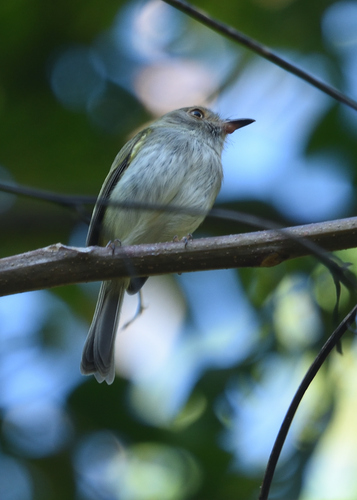
Olive-streaked Flycatcher (Mionectes olivaceus) Olive-streaked Flycatcher
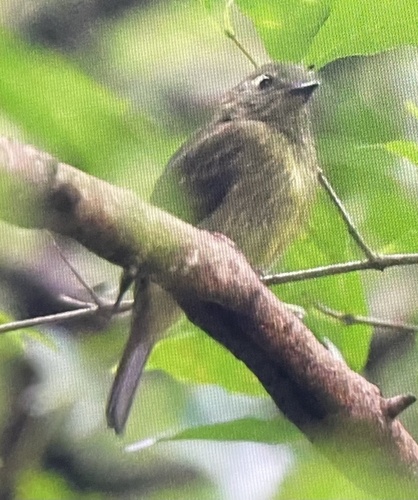
Pale-eyed Pygmy-Tyrant (Atalotriccus pilaris) Pale-eyed Pygmy-Tyrant

Media

Loading…

In short

The Olive-streaked Flycatcher and Pale-eyed Pygmy-Tyrant can be distinguished by their eye color and habitat preferences. The Olive-streaked Flycatcher has a more olive-toned plumage and streaked appearance, while the Pale-eyed Pygmy-Tyrant is noted for its pale eyes and loud calls.

Identification tips

  1. Look for the pale eyes of the Pale-eyed Pygmy-Tyrant. 2. Note the streaked neck of the Olive-streaked Flycatcher. 3. Listen for the loud, fast trills of the Pale-eyed Pygmy-Tyrant. 4. Consider habitat: Olive-streaked Flycatchers prefer forested areas, while Pale-eyed Pygmy-Tyrants are more adaptable to disturbed habitats.

Size

The Pale-eyed Pygmy-Tyrant is smaller and more compact than the Olive-streaked Flycatcher.

Plumage

The Olive-streaked Flycatcher has olive-toned plumage with streaks on the neck, while the Pale-eyed Pygmy-Tyrant has a more uniform appearance with pale eyes being a key feature.

Behaviour

The Pale-eyed Pygmy-Tyrant often forages in pairs and is known for its loud calls, whereas the Olive-streaked Flycatcher's behavior is less conspicuous.

Habitat

The Olive-streaked Flycatcher is typically found in forested areas, while the Pale-eyed Pygmy-Tyrant inhabits dry and moist woodlands, including disturbed habitats.

Voice

The Pale-eyed Pygmy-Tyrant is recognized for its surprisingly loud and fast trills, which are more distinctive than the Olive-streaked Flycatcher's calls.

Submit a better description

Use the same sections as the comparison. Your text is published immediately.

The Olive-streaked Flycatcher and Pale-eyed Pygmy-Tyrant can be distinguished by their eye color and habitat preferences. The Olive-streaked Flycatcher has a more olive-toned plumage and streaked appearance, while the Pale-eyed Pygmy-Tyrant is noted for its pale eyes and loud calls.

  1. Look for the pale eyes of the Pale-eyed Pygmy-Tyrant. 2. Note the streaked neck of the Olive-streaked Flycatcher. 3. Listen for the loud, fast trills of the Pale-eyed Pygmy-Tyrant. 4. Consider habitat: Olive-streaked Flycatchers prefer forested areas, while Pale-eyed Pygmy-Tyrants are more adaptable to disturbed habitats.

The Pale-eyed Pygmy-Tyrant is smaller and more compact than the Olive-streaked Flycatcher.

The Olive-streaked Flycatcher has olive-toned plumage with streaks on the neck, while the Pale-eyed Pygmy-Tyrant has a more uniform appearance with pale eyes being a key feature.

The Pale-eyed Pygmy-Tyrant often forages in pairs and is known for its loud calls, whereas the Olive-streaked Flycatcher's behavior is less conspicuous.

The Olive-streaked Flycatcher is typically found in forested areas, while the Pale-eyed Pygmy-Tyrant inhabits dry and moist woodlands, including disturbed habitats.

The Pale-eyed Pygmy-Tyrant is recognized for its surprisingly loud and fast trills, which are more distinctive than the Olive-streaked Flycatcher's calls.

Discard your changes?

You have unsaved edits. If you leave now, those changes will be lost.

Olive-streaked Flycatcher · Pale-eyed Pygmy-Tyrant · My Tricky Birds