
Red-crested Bustard vs Cape Weaver
Lophotis ruficrista contro Ploceus capensis
Fai un quiz con Red-crested Bustard e Cape Weaver
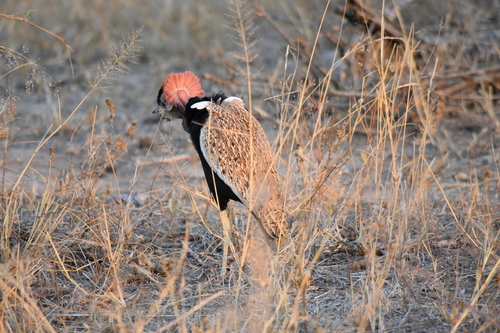 Red-crested Bustard
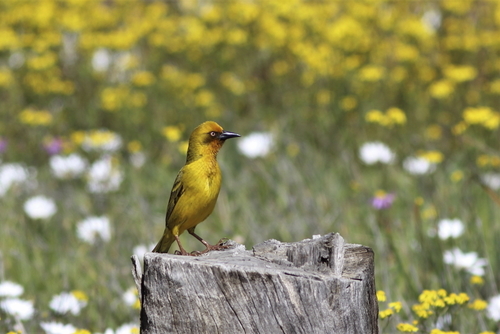 Cape Weaver
In breve
Il Red-crested Bustard e il Cape Weaver si distinguono facilmente per il loro habitat e il piumaggio. Il bustard si trova in aree boschive e mostra una particolare esibizione aerea, mentre il weaver è di un giallo brillante e abita in campi aperti con alberi e acqua. Queste differenze rendono improbabile la loro confusione sul campo.
Consigli di identificazione
- Habitat: Cerca il bustard in aree boschive e il weaver in aree aperte con acqua. 2. Plumage: Nota il viso giallo brillante e marrone-arancio del Cape Weaver, in contrasto con i colori più tenui del Red-crested Bustard. 3. Behavior: Osserva l'esibizione aerea del bustard rispetto al comportamento di nidificazione coloniale del weaver.
Piumaggio
Il Red-crested Bustard non ha il piumaggio giallo brillante del Cape Weaver. Invece, ha una colorazione più tenue senza caratteristiche gialle o arancioni audaci. Al contrario, il maschio del Cape Weaver è di un giallo brillante con marrone-arancio sul viso e un becco nero, mentre la femmina è oliva con una gola e un ventre gialli.
Comportamento
Il Red-crested Bustard è noto per la sua spettacolare esibizione aerea, in cui spara verso l'alto, si ferma, fa un salto mortale e precipita verso il basso. Il Cape Weaver, d'altra parte, costruisce grandi colonie di nidi ed è spesso visto in stormi.
Habitat
Il Red-crested Bustard si trova in habitat boschivi, comprese le aree di mopane e acacia, mentre il Cape Weaver abita in campi aperti con alcuni alberi e acqua permanente, evitando le foreste.
Red-crested Bustard · Cape Weaver · I miei uccelli difficili