
Rufous-banded Honeyeater vs Gray-cheeked Tit-Babbler
Conopophila albogularis contro Mixornis flavicollis
Fai un quiz con Rufous-banded Honeyeater e Gray-cheeked Tit-Babbler
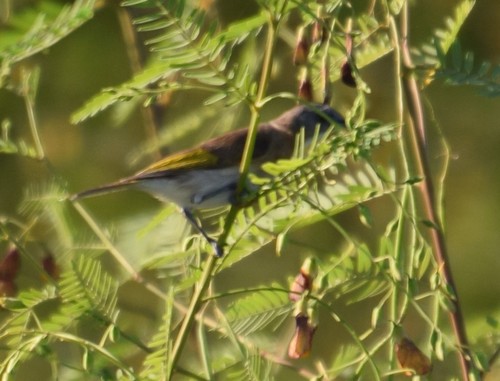 Rufous-banded Honeyeater
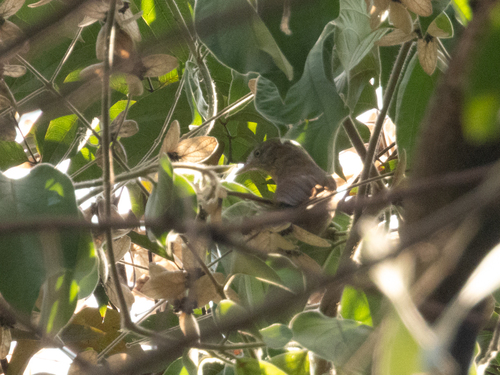 Gray-cheeked Tit-Babbler
In breve
Il Rufous-banded Honeyeater e il Gray-cheeked Tit-Babbler possono essere distinti dalle loro preferenze di habitat e dalle sottili differenze nel piumaggio. Il Rufous-banded Honeyeater si trova spesso in boschi aperti e mangrovie, mentre il Gray-cheeked Tit-Babbler preferisce la fitta vegetazione nei boschi. Cerca il nastro rufous sul petto dell'honeyeater, una caratteristica distintiva chiave.
Consigli di identificazione
Concentrati sulla presenza di un nastro rufous sul petto per il Rufous-banded Honeyeater e controlla l'habitat: aree aperte suggeriscono l'honeyeater, mentre la fitta vegetazione forestale indica il Tit-Babbler.
Piumaggio
Il Rufous-banded Honeyeater ha un distintivo nastro rufous sul petto, che è assente nel Gray-cheeked Tit-Babbler. Il Tit-Babbler può mostrare guance grigie, ma questo è meno distintivo rispetto al nastro sul petto dell'honeyeater.
Habitat
I Rufous-banded Honeyeater si trovano tipicamente in boschi aperti e mangrovie, in contrasto con la preferenza del Gray-cheeked Tit-Babbler per la fitta vegetazione nei boschi.
Rufous-banded Honeyeater · Gray-cheeked Tit-Babbler · I miei uccelli difficili