
rufous-banded honeyeater vs gray-cheeked tit-babbler
Conopophila albogularis versus Mixornis flavicollis
Jogue um quiz com rufous-banded honeyeater e gray-cheeked tit-babbler
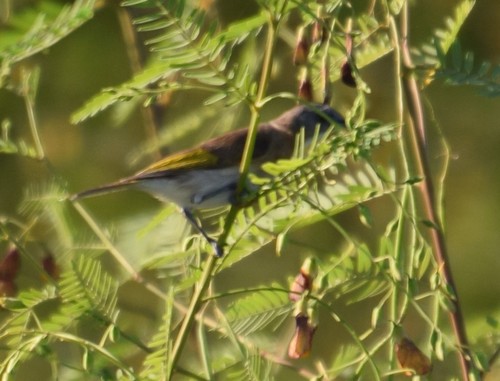 rufous-banded honeyeater
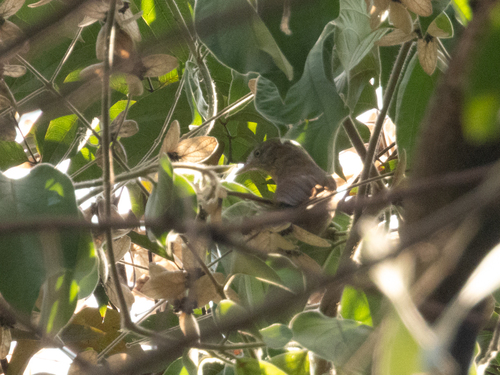 gray-cheeked tit-babbler
Em resumo
O rufous-banded honeyeater e o gray-cheeked tit-babbler podem ser distinguidos por suas preferências de habitat e sutis diferenças de plumagem. O rufous-banded honeyeater é frequentemente encontrado em florestas abertas e manguezais, enquanto o gray-cheeked tit-babbler prefere o sub-bosque denso em florestas. Procure pela faixa ruiva no peito do honeyeater, uma característica distintiva chave.
Dicas de identificação
Concentre-se na presença de uma faixa ruiva no peito para o rufous-banded honeyeater e verifique o habitat: áreas abertas sugerem o honeyeater, enquanto o sub-bosque denso da floresta aponta para o tit-babbler.
Plumagem
O rufous-banded honeyeater tem uma faixa ruiva distinta no peito, que está ausente no gray-cheeked tit-babbler. O tit-babbler pode apresentar bochechas cinzas, mas isso é menos distintivo do que a faixa no peito do honeyeater.
Habitat
Rufous-banded honeyeaters são tipicamente encontrados em florestas abertas e manguezais, contrastando com a preferência do gray-cheeked tit-babbler por sub-bosques densos em florestas.
rufous-banded honeyeater · gray-cheeked tit-babbler · Minhas aves difíceis