
Rufous-banded Honeyeater vs Grey-cheeked Tit-Babbler
Conopophila albogularis versus Mixornis flavicollis
Play a quiz with Rufous-banded Honeyeater and Grey-cheeked Tit-Babbler
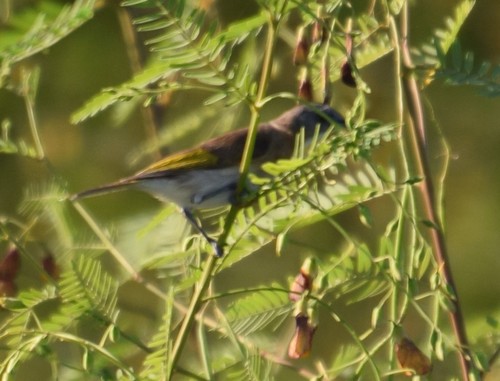 Rufous-banded Honeyeater
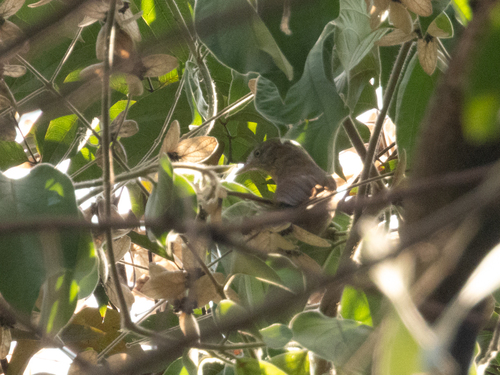 Grey-cheeked Tit-Babbler
In short
The Rufous-banded Honeyeater and Grey-cheeked Tit-Babbler can be distinguished by their habitat preferences and subtle plumage differences. The Rufous-banded Honeyeater is often found in open woodlands and mangroves, while the Grey-cheeked Tit-Babbler prefers dense undergrowth in forests. Look for the honeyeater's rufous band across the chest, a key distinguishing feature.
Identification tips
Focus on the presence of a rufous chest band for the Rufous-banded Honeyeater and check the habitat: open areas suggest the honeyeater, while dense forest undergrowth points to the Tit-Babbler.
Plumage
The Rufous-banded Honeyeater has a distinctive rufous band across its chest, which is absent in the Grey-cheeked Tit-Babbler. The Tit-Babbler may show grey cheeks, but this is less distinctive than the honeyeater's chest band.
Habitat
Rufous-banded Honeyeaters are typically found in open woodlands and mangroves, contrasting with the Grey-cheeked Tit-Babbler's preference for dense undergrowth in forests.
Rufous-banded Honeyeater · Grey-cheeked Tit-Babbler · My Tricky Birds