Speckled Warbler vs Buff-rumped Thornbill
Pyrrholaemus sagittatus contro Acanthiza reguloides
Fai un quiz con Speckled Warbler e Buff-rumped Thornbill
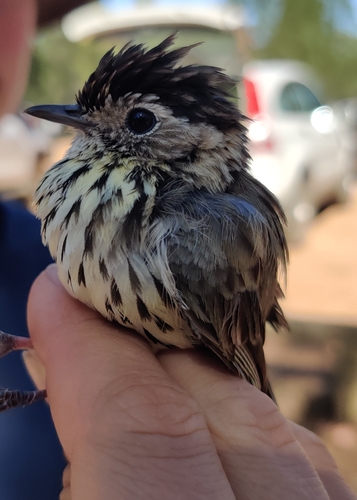 Speckled Warbler
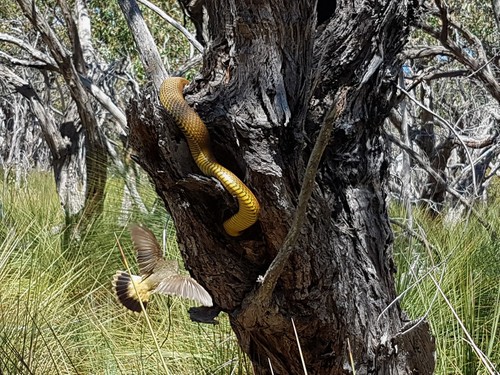 Buff-rumped Thornbill
In breve
Il segno di campo più affidabile per separare il Speckled Warbler dal Buff-rumped Thornbill è la presenza di striature nere audaci sulle parti inferiori e una corona maculata nel warbler, rispetto alle parti inferiori giallo pallido e alla corona semplice del thornbill. I Buff-rumped Thornbills giovanili e adulti mostrano sempre una distintiva macchia di ronzio buff, che non è mai presente nel Speckled Warbler. In volo, il ronzio del thornbill è ovvio, mentre il petto striato e la testa maculata del warbler rimangono diagnostici a riposo o quando vengono disturbati. Entrambe le specie sono uccelli piccoli che cercano cibo a terra nelle foreste orientali australiane, ma il warbler è più grande e robusto, con un becco più pesante e un aspetto più criptico e striato.
Consigli di identificazione
- Underpart streaking: Il Speckled Warbler di tutte le età mostra striature nere audaci sulle parti inferiori giallo-bianco; il Buff-rumped Thornbill è sempre semplice e giallo pallido sotto. Questo è il segno più affidabile.
- Crown pattern: Il Speckled Warbler ha una corona marrone con evidenti macchie bianche (maschio con margine sopracciliare nerastro, femmina marrone-rossiccio); la corona del Buff-rumped Thornbill è semplice, mai maculata o striata.
- Rump color: Il Buff-rumped Thornbill mostra sempre una distintiva macchia di ronzio buff, visibile sia in perching che in volo. Il ronzio del Speckled Warbler non è contrastante e si fonde con le parti superiori striate.
- Tail pattern: Entrambi hanno una banda subterminale scura e una punta chiara, ma la coda del thornbill è proporzionalmente più corta e il ronzio buff è spesso visibile sopra di essa.
- Facial markings: Il Speckled Warbler ha un volto bianco sporco con striature marrone-buff sulle copritrici auricolari; il volto del Buff-rumped Thornbill è semplice e privo di marcature forti.
- Bill structure: Il warbler ha un becco più pesante e robusto; il becco del thornbill è più sottile e appuntito, tipico di Acanthiza.
- Iris color: Il Buff-rumped Thornbill adulto ha occhi bianchi; i giovanili hanno occhi scuri. Il Speckled Warbler ha occhi marroni a tutte le età.
- Size and shape: Il warbler è più grande (11.5–12.5 cm vs. 8–10 cm), bulkier e più robusto; il thornbill è più piccolo, più delicato e compatto.
- Behavior in flocks: I thornbills sono spesso in gruppi più grandi e rumorosi, muovendosi inquietamente e acrobaticamente; i warblers sono più silenziosi, di solito in coppie o piccoli gruppi, e più segreti.
- Flight jizz: I thornbills mostrano un volo ondulato e il ronzio buff è spesso visibile; i warblers volano bassi e diretti, a volte producendo un suono distintivo di fruscio con le ali.
- Vocalizations: I thornbills sono molto più vocali, con richiami rapidi e continui; i warblers sono più silenziosi, con canti morbidi e musicali e mimetismo.
- Sex differences: Il maschio del Speckled Warbler ha un margine sopracciliare nero, la femmina marrone-rossiccio; il Buff-rumped Thornbill non mostra un evidente dimorfismo sessuale sul campo.
- Juvenile confusion: Il giovanile Speckled Warbler è simile alla femmina ma con macchie di corona più diffuse; il giovanile thornbill è simile all'adulto ma con occhi scuri e ha sempre un ronzio buff.
- Ground foraging: Entrambe le specie cercano cibo a terra o nelle vicinanze, ma i warblers sono più propensi a essere visti tornare rapidamente a terra dopo essere stati disturbati, mentre i thornbills possono cercare cibo più in alto e sono più acrobatici.
- Context: Se visti in un gruppo misto, nota la dimensione e il comportamento: il warbler è l'uccello più grande, striato e silenzioso; il thornbill è più piccolo, semplice e più attivo.
Taglia
Il Speckled Warbler è notevolmente più grande, misurando 11.5–12.5 cm e pesando circa 13.5 g [wikipedia], mentre il Buff-rumped Thornbill è più piccolo a 8–10 cm [wikipedia]. Il warbler appare più massiccio e robusto, mentre il thornbill è più delicato e compatto. Nei gruppi misti, il warbler si distingue come l'uccello più grande e pesante.
Piumaggio
- Juvenile/immature: Il giovanile Speckled Warbler assomiglia alla femmina ma con una corona maculata più diffusa; le parti inferiori sono ancora striate. Il giovanile Buff-rumped Thornbill ha occhi scuri (gli adulti hanno bianchi), ma mostra sempre il ronzio buff e manca di qualsiasi macchia sulla testa o striature sulle parti inferiori.
- Adult: Il Speckled Warbler ha una corona marrone con macchie bianche (maschio con margine sopracciliare nerastro, femmina marrone-rossiccio), volto bianco sporco striato di marrone-buff, e parti inferiori giallo-bianco pesantemente striate di nero. Le parti superiori sono marrone-grigio con striature più scure. La coda è marrone scuro con una banda subterminale nera e punte bianche. Il Buff-rumped Thornbill è semplice marrone-verde sopra, molto pallido-giallo sotto, con un distintivo ronzio buff e una coda con una larga banda nerastra e punta chiara. La corona è semplice, priva di macchie o striature. Nessuna striatura sulle parti inferiori. L'iride del thornbill è bianca negli adulti, scura nei giovanili.
Comportamento
Entrambe le specie cercano cibo a terra o nelle vicinanze e possono unirsi a gruppi misti di specie, ma il Buff-rumped Thornbill è più propenso a essere visto in gruppi più grandi e chiacchieroni (fino a 20 o più), spesso muovendosi acrobaticamente attraverso la vegetazione bassa e a volte appesi a testa in giù. Il Speckled Warbler è più silenzioso, più solitario o in coppie, e più segreto, tornando spesso rapidamente a terra dopo essere stato disturbato. I thornbills sono più inquieti e vocali mentre cercano cibo, mentre i warblers sono più contenuti e si affidano al camuffamento.
Habitat
Entrambe le specie abitano foreste secche e boschi aperti dell'Australia orientale. Il Speckled Warbler è più strettamente legato alle foreste temperate ed è spesso trovato in aree con densa copertura del suolo o detriti. Il Buff-rumped Thornbill è più adattabile, presente in una gamma più ampia di boschi aperti di eucalipto e foreste sclerofille, spesso dove il sottobosco è scarso. I loro areali si sovrappongono ampiamente, quindi l'habitat da solo non è diagnostico.
Voce
Il Speckled Warbler ha un canto morbido, melodia musicale con fischi acuti, ed è capace di mimetismo; i suoi richiami sono silenziosi e meno persistenti. Quando disturbato, può emettere un cinguettio graffiante. Il Buff-rumped Thornbill è molto più vocale, con un richiamo rapido e continuo 'pitta-pitta-pitta-pit' e un costante cinguettio mentre cerca cibo. I thornbills sono generalmente più rumorosi e più evidenti per il suono.
Speckled Warbler · Buff-rumped Thornbill · I miei uccelli difficili