
Willow Flycatcher vs Least Flycatcher
Empidonax traillii contro Empidonax minimus
Fai un quiz con Willow Flycatcher e Least Flycatcher
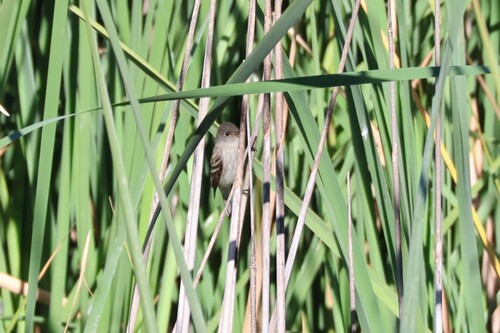 Willow Flycatcher
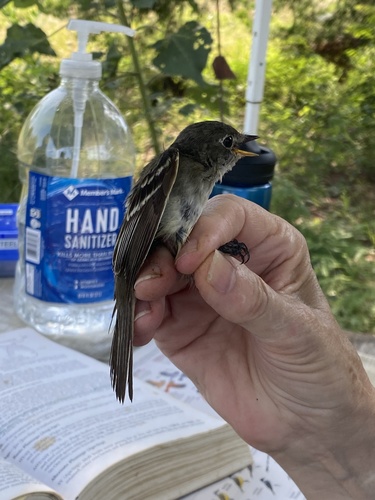 Least Flycatcher
In breve
Il Willow Flycatcher e il Least Flycatcher sono entrambi piccoli membri del genere Empidonax, ma possono essere distinti dalle loro vocalizzazioni e comportamenti. Il Willow Flycatcher è più solitario, mentre il Least Flycatcher forma spesso gruppi di territori. Le vocalizzazioni sono fondamentali per l'identificazione, poiché le differenze visive sono sottili.
Consigli di identificazione
Ascolta le vocalizzazioni per differenziare queste specie. Osserva il comportamento sociale: i Least Flycatchers formano gruppi, mentre i Willow Flycatchers sono più solitari. La sovrapposizione dell'habitat con gli Alder Flycatchers può complicare l'identificazione, quindi concentrati sui segnali vocali.
Comportamento
I Willow Flycatchers sono tipicamente solitari, mentre i Least Flycatchers formano spesso densi gruppi di territori durante la stagione della riproduzione, indicando una natura più sociale.
Habitat
I Least Flycatchers si riproducono in foreste decidue o miste e sono noti per i loro territori raggruppati, mentre i Willow Flycatchers sono più solitari e possono sovrapporsi agli habitat degli Alder Flycatcher.
Voce
Le vocalizzazioni sono cruciali per distinguere queste specie. Il canto del Willow Flycatcher è distinto da quello caratteristico del Least Flycatcher, che è spesso udito durante il loro incessante canto in primavera.
Willow Flycatcher · Least Flycatcher · I miei uccelli difficili