
Yellow-bellied Flycatcher vs Hammond's Flycatcher
Empidonax flaviventris contro Empidonax hammondii
Fai un quiz con Yellow-bellied Flycatcher e Hammond's Flycatcher
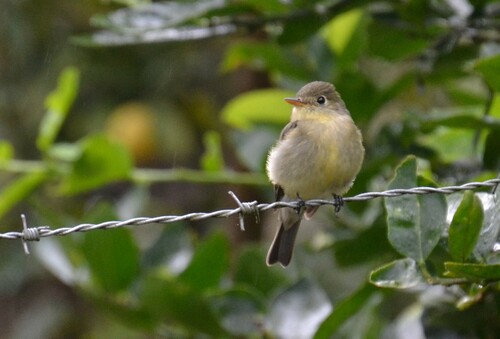 Yellow-bellied Flycatcher
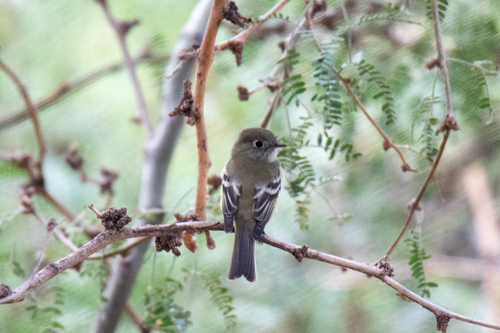 Hammond's Flycatcher
In breve
Il Yellow-bellied Flycatcher e l'Hammond's Flycatcher sono entrambi piccoli e sfuggenti Empidonax, rendendoli difficili da differenziare. Il Yellow-bellied Flycatcher si trova spesso in habitat boschivi e muschiosi, mentre l'Hammond's Flycatcher preferisce le foreste conifere mature. Osservare l'habitat e le sottili differenze nel piumaggio può aiutare nell'identificazione.
Consigli di identificazione
- Habitat: Controlla l'ambiente circostante; il Yellow-bellied preferisce le foreste muschiose, mentre l'Hammond's favorisce le foreste conifere mature. 2. Plumage: Cerca il lavaggio giallo sulla pancia del Yellow-bellied Flycatcher. 3. Behavior: Nota lo stile di foraggiamento; l'Hammond's è più aereo nel suo comportamento di cattura degli insetti.
Piumaggio
Il Yellow-bellied Flycatcher ha un lavaggio giallo più pronunciato sulla sua pancia, che si fonde con il suo habitat forestale muschioso. L'Hammond's Flycatcher ha tipicamente un tono più attenuato, grigio-verde nel complesso, privo della distintiva pancia gialla.
Comportamento
L'Hammond's Flycatcher è principalmente un foraggiatore aereo, spesso visto catturare insetti in volo. Il Yellow-bellied Flycatcher è più riservato e spesso si sente piuttosto che si vede.
Habitat
Il Yellow-bellied Flycatcher è associato a foreste muschiose di muskeg in estate e foreste pluviali dell'America Centrale in inverno. L'Hammond's Flycatcher preferisce foreste conifere mature e di vecchia crescita.
Yellow-bellied Flycatcher · Hammond's Flycatcher · I miei uccelli difficili