
yellow-bellied flycatcher vs hammond's flycatcher
Empidonax flaviventris versus Empidonax hammondii
Jogue um quiz com yellow-bellied flycatcher e hammond's flycatcher
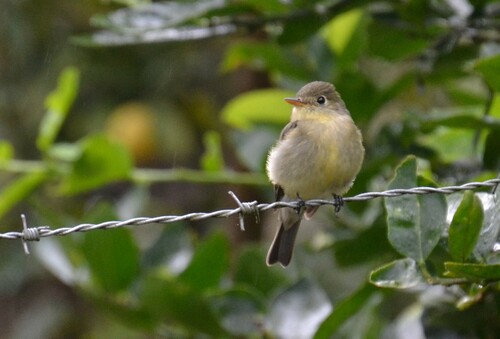 yellow-bellied flycatcher
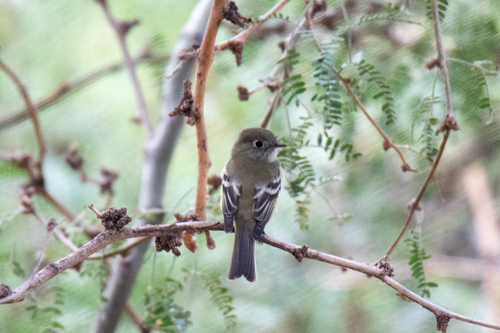 hammond's flycatcher
Em resumo
yellow-bellied flycatcher e hammond's flycatcher são ambos pequenos e evasivos empidonax, tornando-os desafiadores de diferenciar. O yellow-bellied flycatcher é frequentemente encontrado em habitats florestais musgosos, enquanto o hammond's flycatcher prefere florestas coníferas maduras. Observar o habitat e sutis diferenças de plumagem pode ajudar na identificação.
Dicas de identificação
- Habitat: Verifique o ambiente ao redor; yellow-bellied prefere florestas musgosas, enquanto hammond's favorece florestas coníferas maduras. 2. Plumagem: Procure pela coloração amarela na barriga do yellow-bellied flycatcher. 3. Comportamento: Observe o estilo de forrageio; hammond's é mais aéreo em seu comportamento de captura de insetos.
Plumagem
yellow-bellied flycatcher tem uma coloração amarela mais pronunciada na barriga, que se mistura com seu habitat de floresta musgosa. hammond's flycatcher tipicamente tem um tom geral mais suave, esverdeado e acinzentado, sem a distinta barriga amarela.
Comportamento
hammond's flycatcher é principalmente um forrageador aéreo, frequentemente visto capturando insetos em voo. yellow-bellied flycatcher é mais recluso e frequentemente ouvido em vez de visto.
Habitat
yellow-bellied flycatcher está associado a florestas musgosas de muskeg no verão e florestas tropicais da América Central no inverno. hammond's flycatcher prefere florestas coníferas maduras e de crescimento antigo.
yellow-bellied flycatcher · hammond's flycatcher · Minhas aves difíceis