
fiery-necked nightjar vs marico flycatcher
Caprimulgus pectoralis versus Bradornis mariquensis
Jogue um quiz com fiery-necked nightjar e marico flycatcher
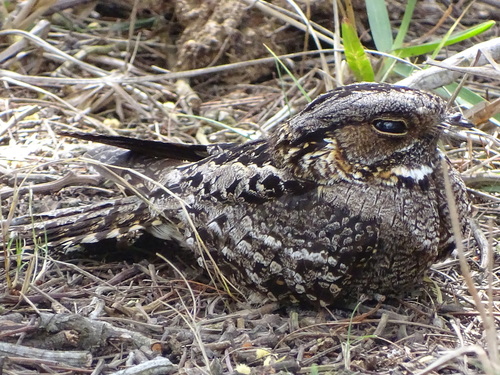 fiery-necked nightjar
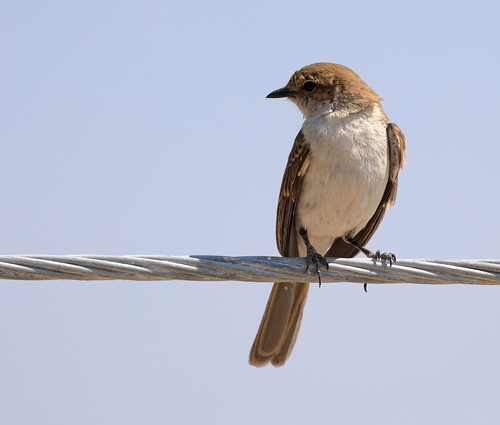 marico flycatcher
Em resumo
O fiery-necked nightjar e o marico flycatcher são distintos em estrutura e comportamento. O nightjar é uma ave noturna com uma plumagem críptica adequada para camuflagem, enquanto o flycatcher é diurno e mais ativo, frequentemente visto empoleirado de forma aberta. Seus habitats e vocalizações também diferem significativamente.
Dicas de identificação
Procure o fiery-necked nightjar ao amanhecer ou ao entardecer, quando sua plumagem críptica e hábitos noturnos são mais evidentes. O marico flycatcher é mais provável de ser visto durante o dia, empoleirado de forma aberta em habitats de savana.
Plumagem
O fiery-necked nightjar tem uma plumagem críptica com marrons e cinzas mesclados, proporcionando excelente camuflagem contra o solo da floresta. Em contraste, o marico flycatcher tem uma plumagem mais uniforme e clara, frequentemente aparecendo marrom-cinza, que é menos críptica e mais adequada a ambientes abertos.
Comportamento
O fiery-necked nightjar é principalmente noturno, frequentemente visto descansando durante o dia e ativo à noite. O marico flycatcher é diurno, forrageando ativamente e empoleirando-se em áreas abertas durante as horas de luz do dia.
Habitat
Fiery-necked nightjars são tipicamente encontrados em áreas arborizadas, usando sua plumagem críptica para se misturar à camada de folhas. Marico flycatchers preferem savanas abertas e paisagens dominadas por acácias, onde podem ser vistos empoleirados de forma conspícua.
fiery-necked nightjar · marico flycatcher · Minhas aves difíceis