
abetarda vs abelharuco-de-faces-azuis
Otis tarda versus Merops persicus
Jogue um quiz com abetarda e abelharuco-de-faces-azuis
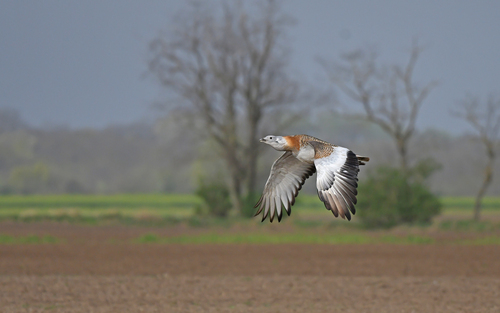 abetarda
 abelharuco-de-faces-azuis
Em resumo
A abetarda e o abelharuco-de-faces-azuis são facilmente distinguidos pelo tamanho e pela forma: a abetarda é uma ave grande, que vive no solo, enquanto o abelharuco-de-faces-azuis é uma ave menor e esbelta, com uma cauda longa e asas pontudas. Essas espécies ocupam habitats diferentes e têm comportamentos distintos.
Dicas de identificação
Procure pelo grande tamanho da abetarda e seu comportamento de viver no solo em campos abertos. Em contraste, o abelharuco-de-faces-azuis pode ser identificado pelo seu tamanho menor, plumagem verde vibrante e comportamento de captura de insetos no ar.
Tamanho
A abetarda é significativamente maior que o abelharuco-de-faces-azuis, com um corpo robusto e pernas longas, em comparação ao corpo esbelto do abelharuco e suas longas asas pontudas.
Plumagem
A abetarda possui uma plumagem predominantemente marrom e branca, enquanto o abelharuco-de-faces-azuis é caracterizado por sua plumagem verde vibrante com faces azuis.
Comportamento
As abetardas são tipicamente vistas caminhando no solo em campos abertos, enquanto os abelharucos-de-faces-azuis são frequentemente observados voando em céus abertos, capturando insetos no ar.
Habitat
As abetardas são encontradas em pastagens abertas e campos agrícolas, enquanto os abelharucos-de-faces-azuis preferem áreas abertas perto da água, como margens de rios e zonas úmidas.