
green pheasant vs abelharuco-de-faces-azuis
Phasianus versicolor versus Merops persicus
Jogue um quiz com green pheasant e abelharuco-de-faces-azuis
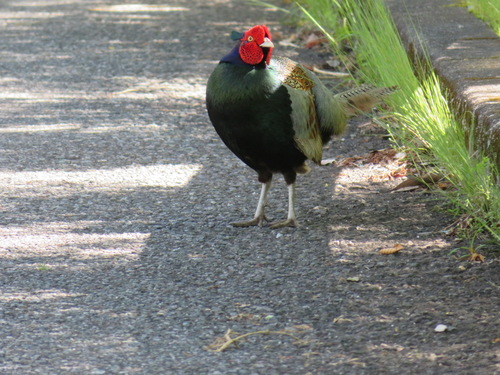 green pheasant
 abelharuco-de-faces-azuis
Em resumo
O green pheasant e o abelharuco-de-faces-azuis são facilmente distinguidos por sua estrutura e preferências de habitat. O green pheasant é uma ave terrestre com um corpo robusto e cauda longa, enquanto o abelharuco-de-faces-azuis é um insetívoro aéreo com um corpo esguio e asas longas e pontudas. Essas espécies ocupam diferentes nichos ecológicos, com o faisão encontrado em habitats florestais e de campo aberto e o abelharuco em áreas abertas com vegetação esparsa.
Dicas de identificação
Procure o corpo robusto e a cauda longa do green pheasant quando estiver no chão, em comparação com o corpo esguio e as asas longas e pontudas do abelharuco-de-faces-azuis em voo. Note o habitat: os faisões estão em áreas florestais e de campo aberto, enquanto os abelharucos estão em áreas abertas com vegetação esparsa.
Tamanho
O green pheasant é significativamente maior e mais robusto em comparação com o esguio e menor abelharuco-de-faces-azuis.
Plumagem
As fêmeas e os juvenis do green pheasant têm plumagem marrom arenosa manchada, enquanto o abelharuco-de-faces-azuis tem plumagem verde vibrante com bochechas azuis e uma distinta faixa ocular preta.
Comportamento
Os green pheasants são aves que habitam o solo e frequentemente são vistos forrageando no chão, enquanto os abelharucos-de-faces-azuis são aéreos e frequentemente vistos capturando insetos em voo.
Habitat
Os green pheasants habitam áreas levemente arborizadas e habitats de campo aberto, incluindo parques e terras agrícolas. Os abelharucos-de-faces-azuis preferem áreas abertas com vegetação esparsa, frequentemente perto da água.
green pheasant · abelharuco-de-faces-azuis · Minhas aves difíceis