
gaivota-de-bico-riscado vs gaivota-de-patas-amarelas
Larus delawarensis versus Larus michahellis
Jogue um quiz com gaivota-de-bico-riscado e gaivota-de-patas-amarelas
 gaivota-de-bico-riscado
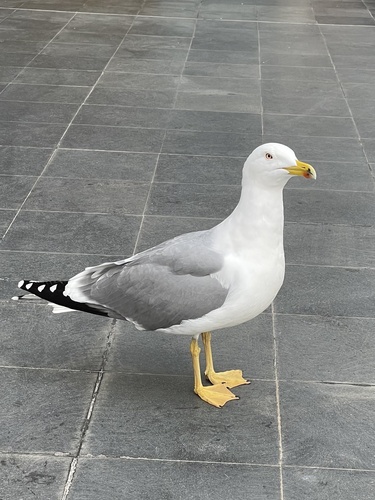 gaivota-de-patas-amarelas
Em resumo
A gaivota-de-bico-riscado é melhor identificada pelo seu distinto anel preto ao redor do bico, enquanto a gaivota-de-patas-amarelas tem uma constituição mais robusta e não possui esse recurso. Ambas as espécies são alimentadoras oportunistas, mas seus habitats e comportamentos podem diferir significativamente.
Dicas de identificação
Verifique o bico: Procure um anel preto no bico da gaivota-de-bico-riscado. Observe o tamanho e a estrutura: Note o tamanho maior e a constituição mais robusta da gaivota-de-patas-amarelas. Considere a localização: Gaivotas-de-bico-riscado são mais prováveis na América do Norte, enquanto gaivotas-de-patas-amarelas são encontradas na Europa.
Tamanho
A gaivota-de-patas-amarelas é geralmente maior e mais robusta do que a gaivota-de-bico-riscado.
Plumagem
A gaivota-de-bico-riscado tem um anel preto ao redor do seu bico, que está ausente na gaivota-de-patas-amarelas. A gaivota-de-patas-amarelas geralmente tem um dorso cinza mais sólido em comparação com o cinza mais claro da gaivota-de-bico-riscado.
Habitat
A gaivota-de-bico-riscado é frequentemente encontrada em áreas urbanas da América do Norte e perto de corpos d'água, enquanto a gaivota-de-patas-amarelas é mais comum em regiões costeiras da Europa e pode ser encontrada nidificando em estruturas feitas pelo homem.
gaivota-de-bico-riscado · gaivota-de-patas-amarelas · Minhas aves difíceis