Birdr

irerê vs mariquita-de-mascarilha

Dendrocygna viduata versus Geothlypis trichas

Jogue um quiz com irerê e mariquita-de-mascarilha
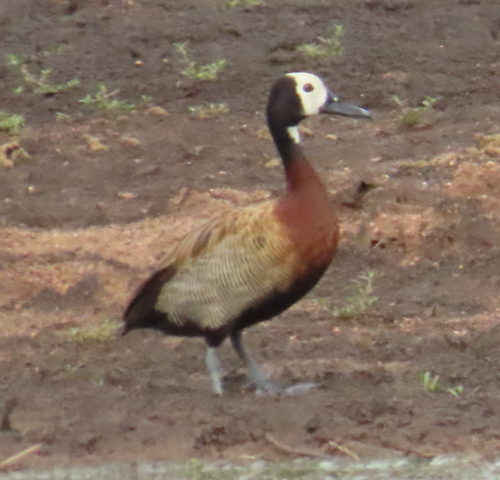
irerê (Dendrocygna viduata) irerê
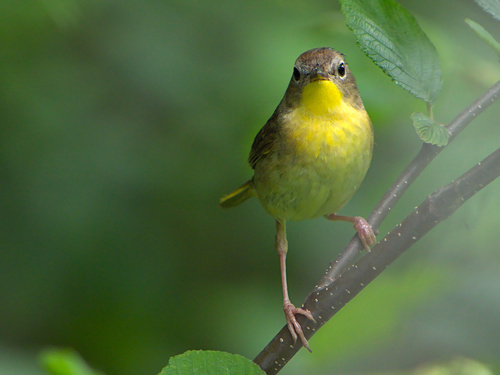
mariquita-de-mascarilha (Geothlypis trichas) mariquita-de-mascarilha

Mídia

Carregando…

Em resumo

O irerê e a mariquita-de-mascarilha são facilmente distinguidos pelo seu tamanho e preferências de habitat. O pato é uma ave aquática grande com um rosto branco distinto, enquanto a mariquita é um pequeno chapim com uma impressionante máscara preta nos machos.

Dicas de identificação

Tamanho e habitat são os indicadores mais confiáveis: o pato é muito maior e encontrado em águas abertas, enquanto a mariquita é uma pequena ave de vegetação densa. Diferenças de plumagem também são claras: procure pelo rosto branco do pato e pela garganta amarela e máscara preta da mariquita.

Tamanho

O irerê é significativamente maior que a mariquita-de-mascarilha, sendo uma ave aquática em comparação a um pequeno pássaro cantor.

Plumagem

O irerê tem um rosto branco e um corpo escuro, enquanto a mariquita-de-mascarilha, particularmente o macho, tem uma garganta amarela brilhante e uma máscara preta.

Habitat

O irerê é tipicamente encontrado em áreas úmidas e de águas abertas, enquanto a mariquita-de-mascarilha é mais frequentemente vista em áreas densas e arbustivas e pântanos.

Enviar uma descrição melhor

Use as mesmas seções da comparação. Seu texto é publicado na hora.

The White-faced Whistling-Duck and Common Yellowthroat are easily distinguished by their size and habitat preferences. The duck is a large waterfowl with a distinctive white face, while the yellowthroat is a small warbler with a striking black mask in males.

Size and habitat are the most reliable indicators: the duck is much larger and found in open water, while the yellowthroat is a small bird of dense vegetation. Plumage differences are also clear: look for the duck's white face and the yellowthroat's yellow throat and black mask.

The White-faced Whistling-Duck is significantly larger than the Common Yellowthroat, being a waterfowl compared to a small songbird.

The White-faced Whistling-Duck has a white face and a dark body, while the Common Yellowthroat, particularly the male, has a bright yellow throat and a black mask.

The White-faced Whistling-Duck is typically found in wetlands and open water areas, whereas the Common Yellowthroat is more often seen in dense, shrubby areas and marshes.

Descartar as alterações?

Você tem edições não salvas. Se sair agora, elas serão perdidas.

irerê · mariquita-de-mascarilha · Minhas aves difíceis