Eurasian Nightjar vs Alpine Swift
Caprimulgus europaeus versus Tachymarptis melba
Play a quiz with Eurasian Nightjar and Alpine Swift
Eurasian Nightjar
Alpine Swift
In short
The Eurasian Nightjar and Alpine Swift are not closely related and differ significantly in appearance and behavior. The nightjar is a cryptic, ground-dwelling bird with excellent camouflage, while the swift is a sleek, aerial specialist with a distinctive white belly and throat. Both species are active at different times, with the nightjar being nocturnal and the swift diurnal.
Identification tips
- Time of Activity: Nightjars are active at dusk and night, while swifts are active during the day. 2. Flight Pattern: Nightjars have a more fluttering, moth-like flight, whereas swifts are fast and agile fliers. 3. Plumage: Look for the nightjar's cryptic plumage versus the swift's contrasting white belly and throat. 4. Habitat: Consider the environment; nightjars are often on the ground in open areas, swifts are high in the sky near cliffs.
Size
The Alpine Swift is larger and more robust compared to the smaller, more slender Eurasian Nightjar.
Plumage
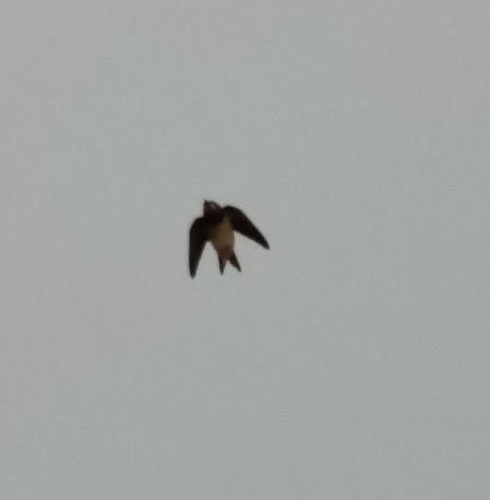
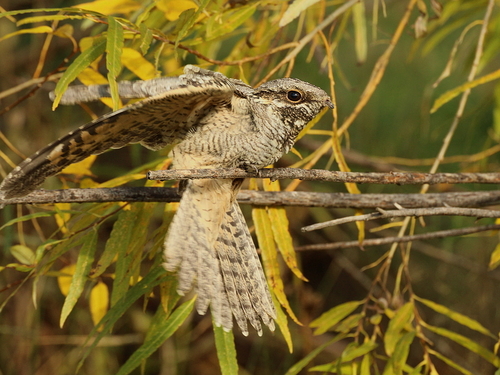
Eurasian Nightjar males have cryptic plumage with white patches on primaries and tail, while females lack these patches. Alpine Swifts have a striking white belly and throat contrasting with dark upperparts, making them easily distinguishable in flight.
Behaviour
Eurasian Nightjars are nocturnal, often seen at dusk with a distinctive churring song, and rely on camouflage for protection. Alpine Swifts are diurnal, spending most of their time in the air, often seen soaring high with rapid, agile flight.
Habitat
Eurasian Nightjars are typically found in open woodlands and heathlands, while Alpine Swifts prefer mountainous regions and cliffs, often nesting in high, inaccessible places.
Voice
Eurasian Nightjars produce a prolonged churring song at dusk, while Alpine Swifts are generally silent but may emit high-pitched calls during flight.