Birdr

Tufted Titmouse vs Lapland Bunting

Baeolophus bicolor versus Calcarius lapponicus

Play a quiz with Tufted Titmouse and Lapland Bunting
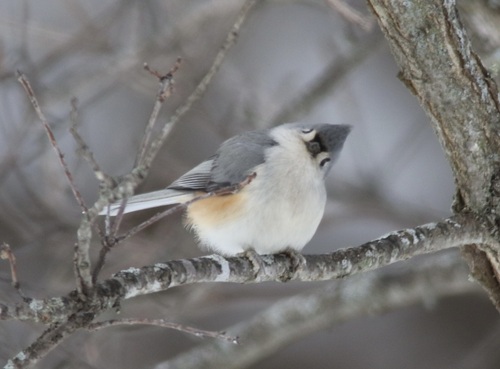
Tufted Titmouse (Baeolophus bicolor) Tufted Titmouse
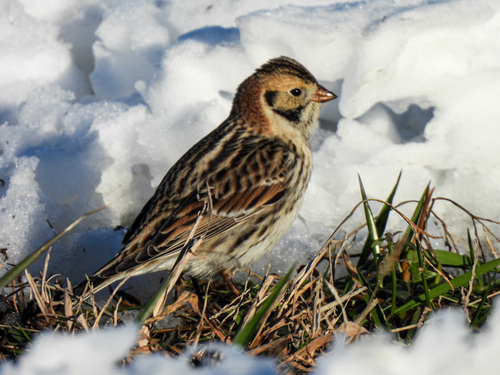
Lapland Bunting (Calcarius lapponicus) Lapland Bunting

Media

Loading…

In short

The Tufted Titmouse and Lapland Bunting are easily distinguished by their habitat and appearance. The Tufted Titmouse is a small, crested bird often found in wooded areas, while the Lapland Bunting is a ground-dwelling bird of open tundra and fields. Their plumage and behavior are distinct, making them unlikely to be confused in the field.

Identification tips

Look for the crest on the Tufted Titmouse and its preference for wooded habitats. The Lapland Bunting's streaked plumage and ground-dwelling behavior are key identifiers, along with its presence in open areas.

Plumage

The Tufted Titmouse has a distinctive gray crest and a mostly gray body with a white belly and rusty flanks. In contrast, the Lapland Bunting lacks a crest and features a more complex plumage with streaked brown and black patterns, especially noticeable in males during the breeding season.

Behaviour

Tufted Titmice are often seen in trees, actively foraging and sometimes visiting feeders. Lapland Buntings are ground foragers, often seen in flocks, especially during migration.

Habitat

Tufted Titmice inhabit wooded areas and suburban gardens, while Lapland Buntings are found in open tundra and fields, particularly in northern regions during the breeding season.

Submit a better description

Use the same sections as the comparison. Your text is published immediately.

The Tufted Titmouse and Lapland Bunting are easily distinguished by their habitat and appearance. The Tufted Titmouse is a small, crested bird often found in wooded areas, while the Lapland Bunting is a ground-dwelling bird of open tundra and fields. Their plumage and behavior are distinct, making them unlikely to be confused in the field.

Look for the crest on the Tufted Titmouse and its preference for wooded habitats. The Lapland Bunting's streaked plumage and ground-dwelling behavior are key identifiers, along with its presence in open areas.

The Tufted Titmouse has a distinctive gray crest and a mostly gray body with a white belly and rusty flanks. In contrast, the Lapland Bunting lacks a crest and features a more complex plumage with streaked brown and black patterns, especially noticeable in males during the breeding season.

Tufted Titmice are often seen in trees, actively foraging and sometimes visiting feeders. Lapland Buntings are ground foragers, often seen in flocks, especially during migration.

Tufted Titmice inhabit wooded areas and suburban gardens, while Lapland Buntings are found in open tundra and fields, particularly in northern regions during the breeding season.

Discard your changes?

You have unsaved edits. If you leave now, those changes will be lost.

Tufted Titmouse · Lapland Bunting · My Tricky Birds