
Bandurria Común vs Bandurria Austral
Theristicus caudatus frente a Theristicus melanopis
Juega un quiz con Bandurria Común y Bandurria Austral
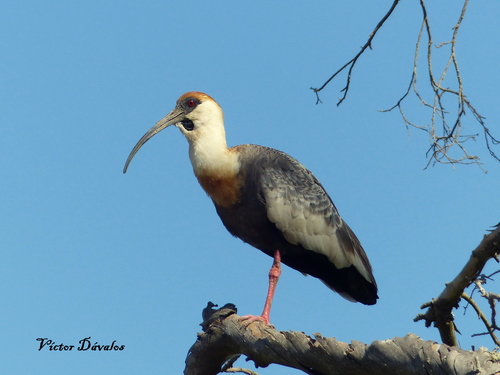 Bandurria Común
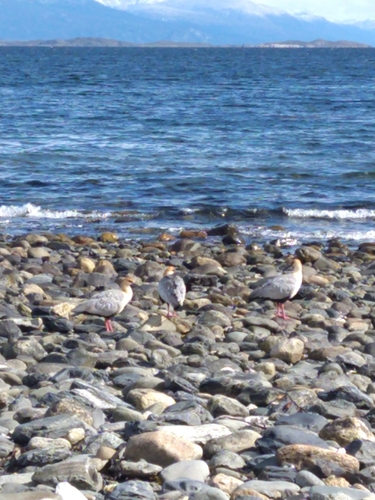 Bandurria Austral
En breve
La Bandurria Común se distingue por su brillante cabeza y cuello color canela, en contraste con su espalda gris y partes inferiores negras, mientras que la Bandurria Austral tiene un cuerpo grisáceo más uniforme con una cara negra distintiva. Ambas especies pertenecen al mismo género y comparten características estructurales similares, pero sus diferencias en el plumaje son clave para la identificación.
Consejos de identificación
Busque la brillante cabeza y cuello color canela de la Bandurria Común, que está ausente en la Bandurria Austral. La Bandurria Austral tiene una cara negra distintiva y un cuerpo gris más uniforme.
Plumaje
La Bandurria Común presenta una brillante cabeza y cuello color canela, espalda gris, primarias y secundarias blancas, y partes inferiores negras. En contraste, la Bandurria Austral tiene un cuerpo grisáceo más uniforme con una cara negra distintiva.
Hábitat
La Bandurria Común se encuentra a menudo en sabanas, tierras de pastoreo y bosques abiertos, frecuentemente lejos del agua. La Bandurria Austral comparte hábitats similares pero está más asociada con los Andes.