Birdr

curicaca vs black-faced ibis

Theristicus caudatus versus Theristicus melanopis

Jogue um quiz com curicaca e black-faced ibis
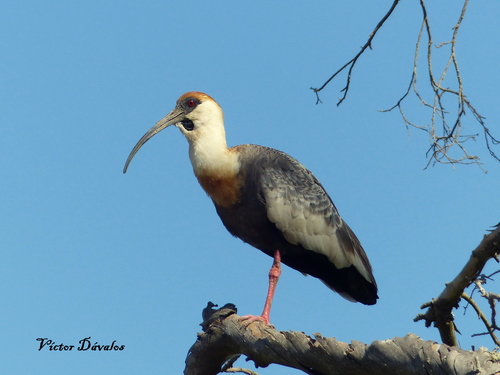
curicaca (Theristicus caudatus) curicaca
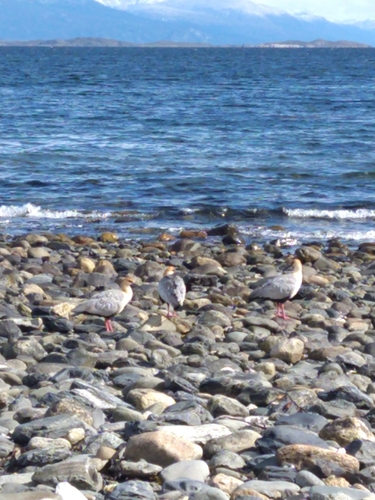
black-faced ibis (Theristicus melanopis) black-faced ibis

Mídia

Carregando…

Em resumo

A curicaca é distinguida por sua cabeça e pescoço de cor creme brilhante, contrastando com suas costas cinzas e partes inferiores pretas, enquanto o black-faced ibis possui um corpo cinza mais uniforme com um rosto preto distinto. Ambas as espécies pertencem ao mesmo gênero e compartilham características estruturais semelhantes, mas suas diferenças de plumagem são fundamentais para a identificação.

Dicas de identificação

Procure pela cabeça e pescoço de cor creme brilhante da curicaca, que estão ausentes no black-faced ibis. O black-faced ibis tem um rosto preto distinto e um corpo cinza mais uniforme.

Plumagem

A curicaca apresenta uma cabeça e pescoço de cor creme brilhante, costas cinzas, primárias e secundárias brancas, e partes inferiores pretas. Em contraste, o black-faced ibis possui um corpo cinza mais uniforme com um rosto preto distinto.

Habitat

A curicaca é frequentemente encontrada em savanas, terras de pastagem e florestas abertas, frequentemente longe da água. O black-faced ibis compartilha habitats semelhantes, mas está mais associado aos Andes.

Enviar uma descrição melhor

Use as mesmas seções da comparação. Seu texto é publicado na hora.

The Buff-necked Ibis is distinguished by its bright buffy head and neck, contrasting with its grey back and black underparts, while the Black-faced Ibis has a more uniform greyish body with a distinctive black face. Both species belong to the same genus and share similar structural features, but their plumage differences are key for identification.

Look for the bright buffy head and neck of the Buff-necked Ibis, which is absent in the Black-faced Ibis. The Black-faced Ibis has a distinctive black face and a more uniform grey body.

The Buff-necked Ibis features a bright buffy head and neck, grey back, white primaries and secondaries, and black underparts. In contrast, the Black-faced Ibis has a more uniform greyish body with a distinctive black face.

The Buff-necked Ibis is often found in savanna, ranchland, and open forest, frequently far from water. The Black-faced Ibis shares similar habitats but is more associated with the Andes.

Descartar as alterações?

Você tem edições não salvas. Se sair agora, elas serão perdidas.

curicaca · black-faced ibis · Minhas aves difíceis