
Anteojitos Flanquirrufo vs Anteojitos Oriental
Zosterops erythropleurus frente a Zosterops palpebrosus
Juega un quiz con Anteojitos Flanquirrufo y Anteojitos Oriental
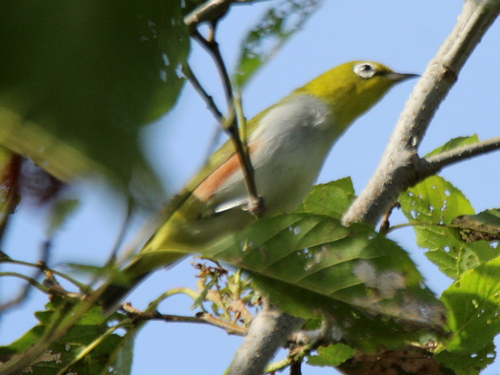 Anteojitos Flanquirrufo
 Anteojitos Oriental
En breve
El Anteojitos Flanquirrufo y el Anteojitos Oriental se pueden distinguir por su plumaje y preferencias de hábitat. El Anteojitos Flanquirrufo tiene flancos castaños distintivos, mientras que el Anteojitos Oriental es de color amarillo olivo por encima y gris por debajo con una garganta amarilla brillante. Ambas especies se encuentran en diferentes regiones y hábitats, lo que puede ayudar en la identificación.
Consejos de identificación
Busque los flancos castaños para identificar el Anteojitos Flanquirrufo. En contraste, el plumaje amarillo olivo y gris con una garganta amarilla brillante del Anteojitos Oriental es distintivo. Considere el hábitat y la región, ya que el Anteojitos Oriental es más probable que se encuentre en bosques de hoja ancha de coníferas en las laderas de colinas más bajas.
Plumaje
El Anteojitos Flanquirrufo presenta flancos de color castaño, que están ausentes en el Anteojitos Oriental. El Anteojitos Oriental es principalmente amarillo olivo por encima y gris por debajo, con una garganta amarilla brillante y coberturas de la cola. Una morfología completamente amarilla del Anteojitos Oriental se encuentra en el sur de Myanmar y el oeste de Tailandia.
Hábitat
El Anteojitos Flanquirrufo se encuentra típicamente en regiones no especificadas aquí, mientras que el Anteojitos Oriental habita una variedad de hábitats forestales, incluyendo manglares y bosques templados de colinas en todo el subcontinente indio y áreas adyacentes.
Anteojitos Flanquirrufo · Anteojitos Oriental · Mis aves difíciles