
Chestnut-flanked White-eye vs Indian White-eye
Zosterops erythropleurus contro Zosterops palpebrosus
Fai un quiz con Chestnut-flanked White-eye e Indian White-eye
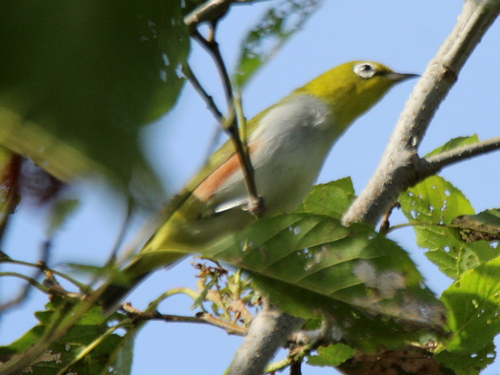 Chestnut-flanked White-eye
 Indian White-eye
In breve
Il Chestnut-flanked White-eye e l'Indian White-eye possono essere distinti per il loro piumaggio e le preferenze di habitat. Il Chestnut-flanked White-eye ha fianchi castani distintivi, mentre l'Indian White-eye è di un giallo oliva sopra e grigio sotto con una gola gialla brillante. Entrambe le specie si trovano in diverse regioni e habitat, il che può aiutare nell'identificazione.
Consigli di identificazione
Cerca i fianchi castani per identificare il Chestnut-flanked White-eye. Al contrario, il piumaggio giallo oliva e grigio con una gola gialla brillante dell'Indian White-eye è distintivo. Considera l'habitat e la regione, poiché l'Indian White-eye è più probabile trovarlo nelle foreste sempreverdi a foglia larga delle pendici inferiori.
Piumaggio
Il Chestnut-flanked White-eye presenta fianchi color castano, che sono assenti nell'Indian White-eye. L'Indian White-eye è principalmente giallo oliva sopra e grigio sotto, con una gola gialla brillante e copritrici della coda. Una forma completamente gialla dell'Indian White-eye si verifica nel sud del Myanmar e nell'ovest della Thailandia.
Habitat
Il Chestnut-flanked White-eye si trova tipicamente in regioni non specificate qui, mentre l'Indian White-eye abita una varietà di habitat boschivi, comprese le mangrovie e le foreste collinari temperate in tutto il subcontinente indiano e nelle aree adiacenti.
Chestnut-flanked White-eye · Indian White-eye · I miei uccelli difficili