
Zostérops à flancs marron vs Zostérops oriental
Zosterops erythropleurus contre Zosterops palpebrosus
Faire un quiz avec Zostérops à flancs marron et Zostérops oriental
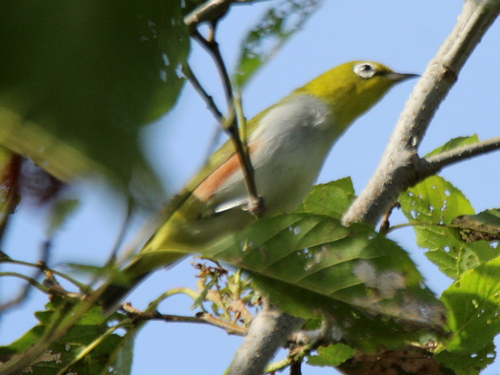 Zostérops à flancs marron
 Zostérops oriental
En bref
Le Zostérops à flancs marron et le Zostérops oriental peuvent être distingués par leur plumage et leurs préférences d'habitat. Le Zostérops à flancs marron a des flancs marron distinctifs, tandis que le Zostérops oriental est jaune olive au-dessus et gris en dessous avec une gorge jaune vif. Les deux espèces se trouvent dans différentes régions et habitats, ce qui peut aider à l'identification.
Conseils d’identification
Recherchez les flancs marron pour identifier le Zostérops à flancs marron. En revanche, le plumage jaune olive et gris avec une gorge jaune vif du Zostérops oriental est distinctif. Considérez l'habitat et la région, car le Zostérops oriental est plus susceptible de se trouver dans des forêts de feuillus sempervirents des pentes de collines inférieures.
Plumage
Le Zostérops à flancs marron présente des flancs de couleur marron, qui sont absents chez le Zostérops oriental. Le Zostérops oriental est principalement jaune olive au-dessus et gris en dessous, avec une gorge jaune vif et des couvertures sous-caudales. Une morphologie entièrement jaune du Zostérops oriental se rencontre dans le sud du Myanmar et l'ouest de la Thaïlande.
Habitat
Le Zostérops à flancs marron se trouve généralement dans des régions non spécifiées ici, tandis que le Zostérops oriental habite une variété d'habitats forestiers, y compris les mangroves et les forêts tempérées de collines à travers le sous-continent indien et les zones adjacentes.
Zostérops à flancs marron · Zostérops oriental · Mes oiseaux difficiles