
Piquituerto Común vs Reinita Gorjiamarilla
Loxia curvirostra frente a Setophaga dominica
Juega un quiz con Piquituerto Común y Reinita Gorjiamarilla
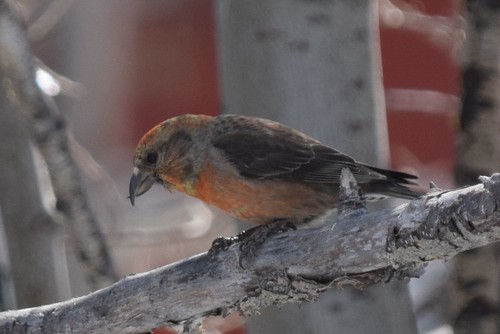 Piquituerto Común
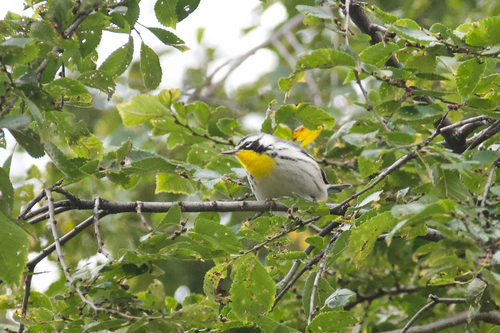 Reinita Gorjiamarilla
En breve
El Piquituerto Común y la Reinita Gorjiamarilla se distinguen fácilmente por su estructura y preferencias de hábitat. El Piquituerto Común tiene un pico cruzado distintivo adaptado para extraer semillas de las piñas de coníferas, mientras que la Reinita Gorjiamarilla presenta un pico delgado y puntiagudo típico de las reinitas. Además, la reinita se encuentra a menudo en lo alto del dosel de los bosques del sureste de EE. UU., en contraste con la preferencia del piquituerto por áreas coníferas.
Consejos de identificación
1. Forma del pico: Busca el pico cruzado distintivo del Piquituerto Común frente al pico delgado y puntiagudo de la Reinita Gorjiamarilla. 2. Hábitat: Nota el hábitat; los piquituertos están en bosques coníferos, mientras que las reinitas están en bosques del sureste de EE. UU. 3. Plumaje: Observa el color; los piquituertos pueden aparecer rojos o verdosos, mientras que las reinitas tienen una garganta amarilla con marcas faciales negras y blancas.
Tamaño
El Piquituerto Común es generalmente más grande y robusto en comparación con la más pequeña y delicada Reinita Gorjiamarilla.
Plumaje
El Piquituerto Común a menudo muestra un plumaje rojo o verdoso, mientras que la Reinita Gorjiamarilla se caracteriza por su striking garganta amarilla y marcas faciales negras y blancas contrastantes.
Comportamiento
El Piquituerto Común está especializado en alimentarse de semillas de coníferas con su pico único, mientras que la Reinita Gorjiamarilla forrajea de manera similar a un trepador, a menudo en lo alto del dosel.
Hábitat
Los Piquituertos Comunes se encuentran típicamente en bosques coníferos, mientras que las Reinitas Gorjiamarillas ocupan tierras bajas boscosas de arroyos, pantanos de cipreses y bosques mixtos de pinos y caducifolios en el sureste de EE. UU.
Piquituerto Común · Reinita Gorjiamarilla · Mis aves difíciles