
cruza-bico vs mariquita-de-garganta-amarela
Loxia curvirostra versus Setophaga dominica
Jogue um quiz com cruza-bico e mariquita-de-garganta-amarela
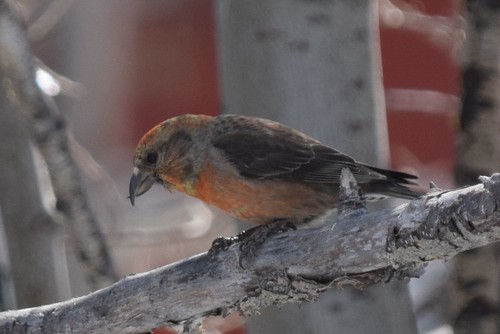 cruza-bico
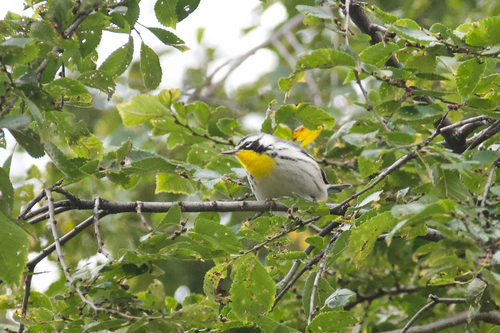 mariquita-de-garganta-amarela
Em resumo
O cruza-bico e a mariquita-de-garganta-amarela são facilmente distinguidos por sua estrutura e preferências de habitat. O cruza-bico possui um bico cruzado distinto adaptado para extrair sementes de pinhas, enquanto a mariquita-de-garganta-amarela apresenta um bico esguio e pontudo típico das mariquitas. Além disso, a mariquita é frequentemente encontrada alta na copa das florestas do sudeste dos EUA, contrastando com a preferência do cruza-bico por áreas coníferas.
Dicas de identificação
1. Forma do bico: Procure o bico cruzado distinto do cruza-bico em comparação com o bico esguio e pontudo da mariquita-de-garganta-amarela. 2. Habitat: Observe o habitat; os cruza-bicos estão em florestas coníferas, enquanto as mariquitas estão em matas do sudeste dos EUA. 3. Plumagem: Observe a cor; os cruza-bicos podem aparecer vermelhos ou esverdeados, enquanto as mariquitas têm uma garganta amarela com marcas faciais pretas e brancas.
Tamanho
O cruza-bico é geralmente maior e mais robusto em comparação com a menor e mais delicada mariquita-de-garganta-amarela.
Plumagem
O cruza-bico frequentemente exibe uma plumagem vermelha ou esverdeada, enquanto a mariquita-de-garganta-amarela é caracterizada por sua impressionante garganta amarela e marcas faciais contrastantes em preto e branco.
Comportamento
O cruza-bico é especializado em se alimentar de sementes de coníferas com seu bico único, enquanto a mariquita-de-garganta-amarela forrageia de maneira semelhante a um trepador, frequentemente alta na copa.
Habitat
Os cruza-bicos são tipicamente encontrados em florestas coníferas, enquanto as mariquitas-de-garganta-amarela ocupam áreas de fundo de riachos florestais, pântanos de ciprestes e florestas mistas de pinheiros e decíduas no sudeste dos EUA.
cruza-bico · mariquita-de-garganta-amarela · Minhas aves difíceis