
Crociere comune vs Yellow-throated Warbler
Loxia curvirostra contro Setophaga dominica
Fai un quiz con Crociere comune e Yellow-throated Warbler
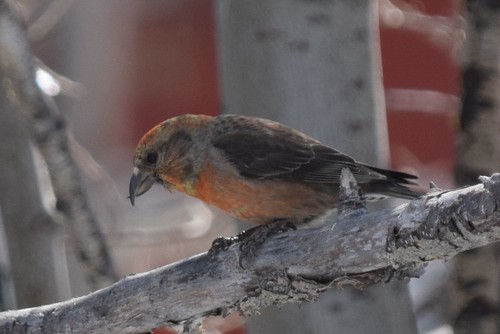 Crociere comune
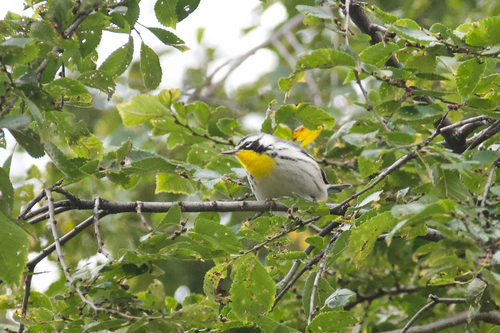 Yellow-throated Warbler
In breve
La Crociere comune e il Yellow-throated Warbler sono facilmente distinguibili per la loro struttura e le preferenze di habitat. La Crociere comune ha un becco incrociato distintivo adattato per estrarre semi dai coni di conifere, mentre il Yellow-throated Warbler presenta un becco sottile e appuntito tipico dei warbler. Inoltre, il warbler si trova spesso in alto nella chioma delle foreste del sud-est degli Stati Uniti, in contrasto con la preferenza della crociere per le aree conifere.
Consigli di identificazione
1. Forma del becco: Cerca il becco incrociato distintivo della Crociere comune rispetto al becco sottile e appuntito del Yellow-throated Warbler. 2. Habitat: Nota l'habitat; le crociere si trovano nelle foreste di conifere, mentre i warbler si trovano nei boschi del sud-est degli Stati Uniti. 3. Piumaggio: Osserva il colore; le crociere possono apparire rosse o verdastre, mentre i warbler hanno una gola gialla con marcature facciali nere e bianche.
Taglia
La Crociere comune è generalmente più grande e robusta rispetto al più piccolo e delicato Yellow-throated Warbler.
Piumaggio
La Crociere comune mostra spesso un piumaggio rosso o verdastro, mentre il Yellow-throated Warbler è caratterizzato dalla sua gola gialla sorprendente e dalle marcature facciali nere e bianche in contrasto.
Comportamento
La Crociere comune è specializzata nell'alimentazione con semi di conifere grazie al suo becco unico, mentre il Yellow-throated Warbler cerca il cibo in modo simile a un rampicante, spesso in alto nella chioma.
Habitat
Le Crociere comuni si trovano tipicamente nelle foreste di conifere, mentre i Yellow-throated Warbler occupano le terre basse boschive lungo i corsi d'acqua, le paludi di cipresso e le foreste miste di pini e latifoglie nel sud-est degli Stati Uniti.
Crociere comune · Yellow-throated Warbler · I miei uccelli difficili