
Chotacabras Pachacua vs Chotacabras Cuerporruín Norteño
Phalaenoptilus nuttallii frente a Antrostomus vociferus
Juega un quiz con Chotacabras Pachacua y Chotacabras Cuerporruín Norteño
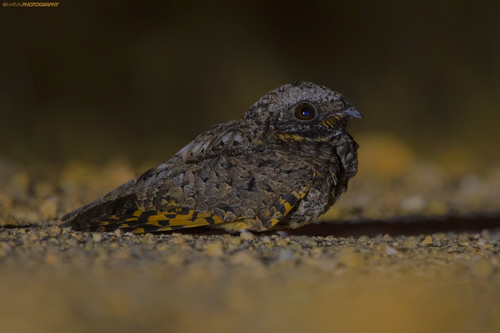 Chotacabras Pachacua
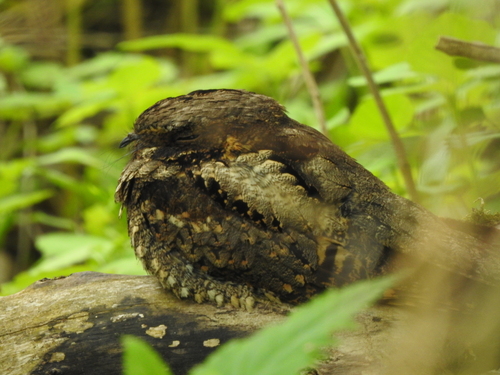 Chotacabras Cuerporruín Norteño
En breve
El Chotacabras Pachacua y el Chotacabras Cuerporruín Norteño son ambos chotacabras nocturnos, pero se pueden distinguir por sus vocalizaciones y preferencias de hábitat. El Chotacabras Pachacua es conocido por su capacidad de entrar en letargo, mientras que el Chotacabras Cuerporruín Norteño es famoso por su distintivo canto 'WHIP-poor-WILL'.
Consejos de identificación
- Escucha el canto distintivo del Chotacabras Cuerporruín Norteño: 'WHIP-poor-WILL'.
- Nota el hábitat: los Chotacabras Pachacua son más propensos a estar en áreas abiertas y áridas, mientras que los Chotacabras Cuerporruín Norteño prefieren los bosques.
- Considera el comportamiento: los Chotacabras Pachacua pueden estar inactivos durante los meses más fríos debido al letargo, a diferencia de los Chotacabras Cuerporruín Norteño.
Comportamiento
El Chotacabras Pachacua es único entre las aves por su capacidad de entrar en un estado de letargo, volviéndose inactivo durante largos períodos, especialmente en invierno. En contraste, el Chotacabras Cuerporruín Norteño no utiliza el letargo y es más activo durante las noches iluminadas por la luna.
Hábitat
Los Chotacabras Pachacua se encuentran típicamente en praderas altas y onduladas, llanuras semiáridas y laderas rocosas del oeste de América del Norte. Los Chotacabras Cuerporruín Norteño prefieren grandes territorios boscosos y están más asociados con áreas forestales.
Voz
El Chotacabras Cuerporruín Norteño es bien conocido por su canto distintivo y enfático 'WHIP-poor-WILL', que es un identificador clave. El canto del Chotacabras Pachacua es menos enfatizado en las notas.
Chotacabras Pachacua · Chotacabras Cuerporruín Norteño · Mis aves difíciles