
common poorwill vs eastern whip-poor-will
Phalaenoptilus nuttallii versus Antrostomus vociferus
Jogue um quiz com common poorwill e eastern whip-poor-will
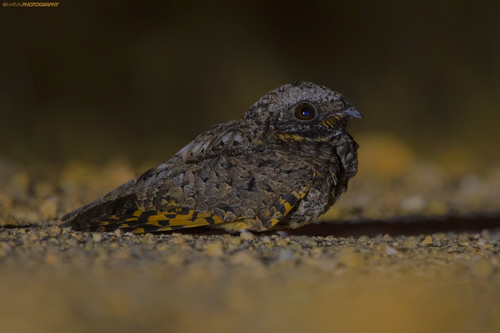 common poorwill
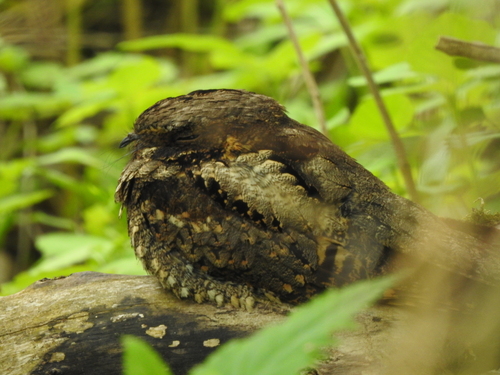 eastern whip-poor-will
Em resumo
O common poorwill e o eastern whip-poor-will são ambos jaras noturnos, mas podem ser distinguidos por suas vocalizações e preferências de habitat. O common poorwill é conhecido por sua capacidade de entrar em torpor, enquanto o eastern whip-poor-will é famoso por seu distinto chamado 'WHIP-poor-WILL'.
Dicas de identificação
- Ouça o chamado distintivo do eastern whip-poor-will: 'WHIP-poor-WILL'.
- Note o habitat: common poorwills são mais prováveis em áreas abertas e áridas, enquanto eastern whip-poor-wills preferem florestas.
- Considere o comportamento: common poorwills podem estar inativos durante os meses mais frios devido ao torpor, ao contrário dos eastern whip-poor-wills.
Comportamento
O common poorwill é único entre os pássaros por sua capacidade de entrar em um estado de torpor, tornando-se inativo por longos períodos, especialmente no inverno. Em contraste, o eastern whip-poor-will não utiliza torpor e é mais ativo durante noites iluminadas pela lua.
Habitat
Common poorwills são tipicamente encontrados em pradarias altas e onduladas, planícies semiáridas e encostas rochosas do oeste da América do Norte. Eastern whip-poor-wills preferem grandes territórios florestais e estão mais associados a áreas florestadas.
Voz
O eastern whip-poor-will é bem conhecido por seu distinto e enfático chamado 'WHIP-poor-WILL', que é um identificador chave. O chamado do common poorwill é menos enfatizado nas notas.
common poorwill · eastern whip-poor-will · Minhas aves difíceis