
Common Poorwill vs Eastern Whip-poor-will
Phalaenoptilus nuttallii contro Antrostomus vociferus
Fai un quiz con Common Poorwill e Eastern Whip-poor-will
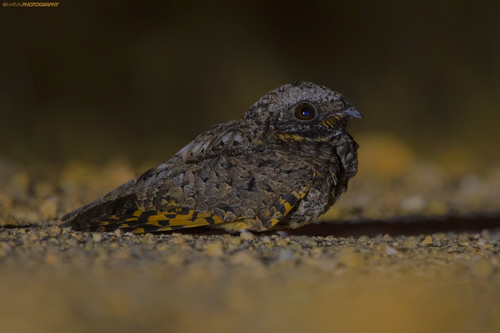 Common Poorwill
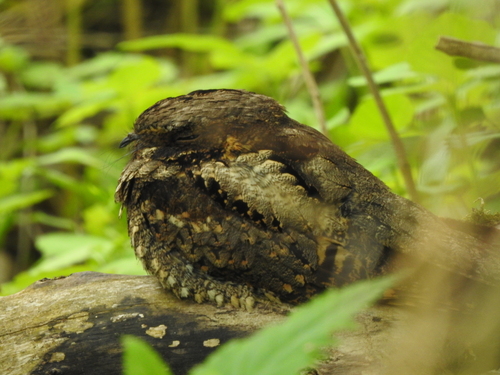 Eastern Whip-poor-will
In breve
Il Common Poorwill e l'Eastern Whip-poor-will sono entrambi succiacapre notturni, ma possono essere distinti dalle loro vocalizzazioni e preferenze di habitat. Il Common Poorwill è noto per la sua capacità di entrare in torpore, mentre l'Eastern Whip-poor-will è famoso per il suo distintivo richiamo 'WHIP-poor-WILL'.
Consigli di identificazione
- Ascolta il richiamo distintivo dell'Eastern Whip-poor-will: 'WHIP-poor-WILL'.
- Nota l'habitat: i Common Poorwills si trovano più frequentemente in aree aperte e aride, mentre gli Eastern Whip-poor-wills preferiscono i boschi.
- Considera il comportamento: i Common Poorwills possono essere inattivi durante i mesi più freddi a causa del torpore, a differenza degli Eastern Whip-poor-wills.
Comportamento
Il Common Poorwill è unico tra gli uccelli per la sua capacità di entrare in uno stato di torpore, diventando inattivo per lunghi periodi, specialmente in inverno. Al contrario, l'Eastern Whip-poor-will non utilizza il torpore ed è più attivo durante le notti illuminate dalla luna.
Habitat
I Common Poorwills si trovano tipicamente in alte praterie ondulate, pianure semi-aride e pendii rocciosi del nord-ovest dell'America. Gli Eastern Whip-poor-wills preferiscono ampi territori boschivi e sono più associati ad aree forestali.
Voce
L'Eastern Whip-poor-will è ben noto per il suo distintivo e enfatico richiamo 'WHIP-poor-WILL', che è un identificatore chiave. Il richiamo del Common Poorwill è meno enfatizzato nelle note.
Common Poorwill · Eastern Whip-poor-will · I miei uccelli difficili