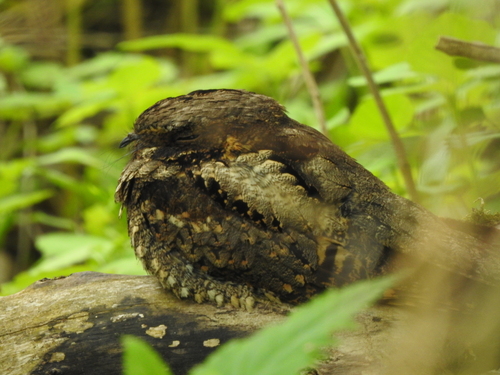
Common Poorwill vs Eastern Whip-poor-will
Phalaenoptilus nuttallii versus Antrostomus vociferus
Play a quiz with Common Poorwill and Eastern Whip-poor-will
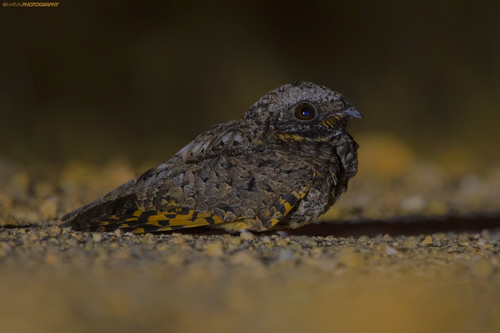
Common Poorwill
Eastern Whip-poor-will
In short
The Common Poorwill and Eastern Whip-poor-will are both nocturnal nightjars, but they can be distinguished by their vocalizations and habitat preferences. The Common Poorwill is known for its ability to enter torpor, while the Eastern Whip-poor-will is more frequently heard than seen due to its distinctive call.
Identification tips
- Listen for calls: The Eastern Whip-poor-will's call is distinctive and often the best way to identify it.
- Habitat context: Common Poorwills are more likely in open, arid areas, while Eastern Whip-poor-wills are in wooded areas.
- Behavioral clues: Look for Common Poorwills' torpor behavior in colder months.
- Plumage patterns: Note the more contrasting patterns of the Eastern Whip-poor-will if visible.
Size
Both species are similar in size, typical of nightjars, with no significant size difference to note in the field.
Plumage
Both species have cryptic plumage that blends into their surroundings, making them difficult to spot. The Common Poorwill tends to have a more uniform and slightly paler appearance, while the Eastern Whip-poor-will may show more contrast in its plumage with darker and more defined patterns.
Behaviour
Common Poorwills are unique for their ability to enter a state of torpor, especially in colder months. Eastern Whip-poor-wills are ground-nesters and are active primarily at dusk and dawn, often tied to lunar cycles for breeding activities.
Habitat
Common Poorwills are found in high prairies, semi-arid flats, and rocky foothills of western North America. Eastern Whip-poor-wills prefer large woodland areas and are more commonly associated with forested environments.
Voice
The Eastern Whip-poor-will is famous for its repetitive 'WHIP-poor-WILL' call, which is often heard at night. The Common Poorwill has a less distinct call, often described as a soft, repetitive 'poor-will' sound.