
Morito Común vs Morito Cariblanco
Plegadis falcinellus frente a Plegadis chihi
Juega un quiz con Morito Común y Morito Cariblanco
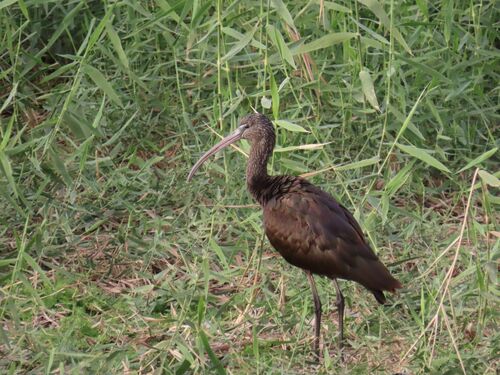 Morito Común
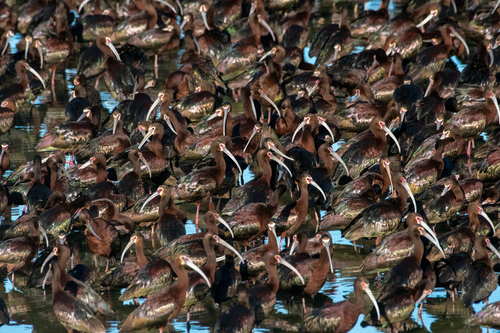 Morito Cariblanco
En breve
La forma más confiable de distinguir entre el Morito Común y el Morito Cariblanco es observando el plumaje facial durante la temporada de cría. El Morito Cariblanco tiene plumas blancas distintivas a lo largo del borde de su piel facial desnuda, que el Morito Común no tiene. Ambas especies son similares en estructura y coloración fuera de este período.
Consejos de identificación
- Temporada de Cría: Busca plumas faciales blancas en el Morito Cariblanco.
- Ubicación Geográfica: En el este de América del Norte, espera encontrar el Morito Común; en el oeste, busca el Morito Cariblanco.
- Hábitat: El Morito Común puede encontrarse en hábitats de humedales más variados, incluyendo áreas costeras.
Plumaje
Durante la temporada de cría, el Morito Cariblanco exhibe plumas blancas distintivas a lo largo del borde de su piel facial desnuda, una característica ausente en el Morito Común. Ambas especies tienen un plumaje bronce metálico con un matiz verde.
Hábitat
El Morito Común tiene una distribución más amplia a nivel global y utiliza una variedad de hábitats de humedales interiores, así como lagunas costeras y estuarios. En contraste, el Morito Cariblanco se encuentra principalmente en humedales de agua dulce en el oeste de los Estados Unidos.