
Mignattaio vs White-faced Ibis
Plegadis falcinellus contro Plegadis chihi
Fai un quiz con Mignattaio e White-faced Ibis
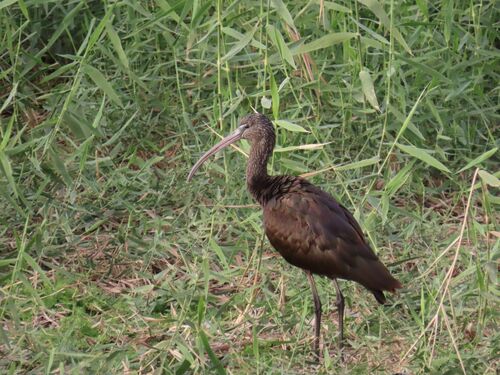 Mignattaio
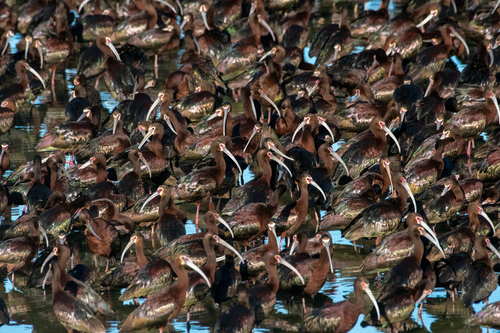 White-faced Ibis
In breve
Il modo più affidabile per distinguere tra il Mignattaio e il White-faced Ibis è osservare il piumaggio facciale durante la stagione della riproduzione. Il White-faced Ibis ha piume bianche distintive lungo il bordo della sua pelle facciale nuda, che il Mignattaio non ha. Entrambe le specie sono simili nella struttura e nella colorazione al di fuori di questo periodo.
Consigli di identificazione
- Breeding Season: Cerca piume facciali bianche sul White-faced Ibis.
- Geographic Location: Nell'est del Nord America, aspettati il Mignattaio; a ovest, cerca il White-faced Ibis.
- Habitat: Il Mignattaio può essere trovato in habitat umidi più vari, comprese le aree costiere.
Piumaggio
Durante la stagione della riproduzione, il White-faced Ibis presenta piume bianche distintive lungo il bordo della sua pelle facciale nuda, una caratteristica assente nel Mignattaio. Entrambe le specie hanno un piumaggio bronzo metallico con una sfumatura verde.
Habitat
Il Mignattaio è più diffuso a livello globale e utilizza una varietà di habitat umidi interni, così come lagune costiere ed estuari. Al contrario, il White-faced Ibis si trova principalmente in habitat umidi di acqua dolce negli Stati Uniti occidentali.