
Reinita Encapuchada vs Reinita Atigrada
Setophaga citrina frente a Setophaga tigrina
Juega un quiz con Reinita Encapuchada y Reinita Atigrada
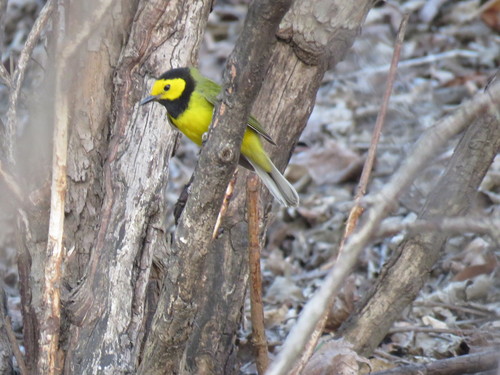 Reinita Encapuchada
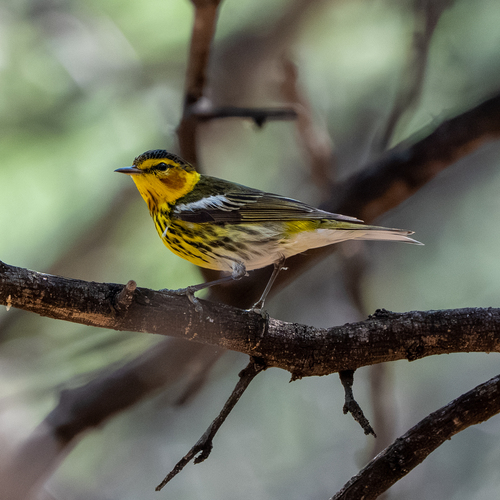 Reinita Atigrada
En breve
La Reinita Encapuchada y la Reinita Atigrada se pueden distinguir por sus patrones de cola y plumaje. La Reinita Encapuchada es notable por su comportamiento de mover la cola que revela grandes manchas blancas en las plumas exteriores de la cola, mientras que la Reinita Atigrada presenta un pecho amarillo con rayas negras y parches de oreja castaños. Ambas especies son parte del género Setophaga, pero sus comportamientos y plumajes distintos las hacen identificables en el campo.
Consejos de identificación
Busque el comportamiento de mover la cola de la Reinita Encapuchada y las manchas blancas en la cola. Para la Reinita Atigrada, note el pecho amarillo con rayas negras y parches de oreja castaños. Estas características del plumaje son las más confiables para la identificación.
Plumaje
La Reinita Encapuchada carece de los audaces parches de oreja castaños y de las rayas negras en el pecho amarillo que se ven en la Reinita Atigrada. En cambio, es conocida por sus contrastantes manchas blancas en las plumas exteriores de la cola. La Reinita Atigrada tiene una rabadilla amarilla y parches de ala blancos, que no se mencionan para la Reinita Encapuchada.
Comportamiento
La Reinita Encapuchada mueve frecuentemente su cola para revelar manchas blancas, un comportamiento que no se observa en la Reinita Atigrada. Este movimiento de la cola se utiliza para asustar a las presas y es una característica comportamental clave.