
Hooded Warbler vs Cape May Warbler
Setophaga citrina contro Setophaga tigrina
Fai un quiz con Hooded Warbler e Cape May Warbler
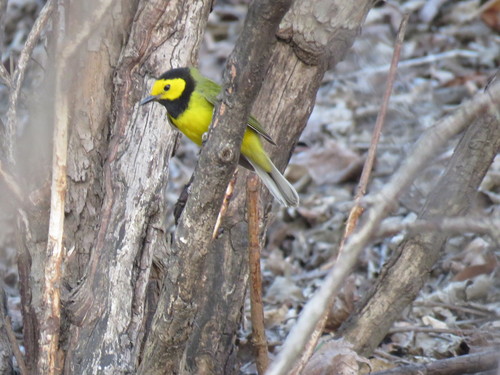 Hooded Warbler
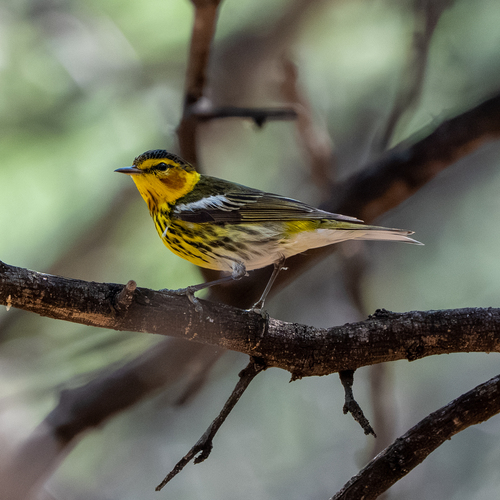 Cape May Warbler
In breve
Il Hooded Warbler e il Cape May Warbler possono essere distinti dai loro modelli di coda e di piumaggio. Il Hooded Warbler è noto per il suo comportamento di sbattere la coda che rivela grandi macchie bianche sulle piume esterne della coda, mentre il Cape May Warbler presenta un petto giallo striato di nero e macchie auricolari castane. Entrambe le specie fanno parte del genere Setophaga, ma i loro comportamenti e piumaggi distintivi li rendono identificabili sul campo.
Consigli di identificazione
Cerca il comportamento di sbattere la coda del Hooded Warbler e le macchie bianche sulla coda. Per il Cape May Warbler, nota il petto giallo con striature nere e macchie auricolari castane. Queste caratteristiche del piumaggio sono le più affidabili per l'identificazione.
Piumaggio
Il Hooded Warbler manca delle audaci macchie auricolari castane e delle striature nere sul petto giallo visibili nel Cape May Warbler. Invece, è noto per le sue macchie bianche contrastanti sulle piume esterne della coda. Il Cape May Warbler ha un sopracciglio giallo e macchie bianche sulle ali, che non sono menzionate per il Hooded Warbler.
Comportamento
Il Hooded Warbler sbatte frequentemente la coda per rivelare macchie bianche, un comportamento non notato nel Cape May Warbler. Questo sbattere della coda è usato per spaventare le prede ed è una caratteristica comportamentale chiave.
Hooded Warbler · Cape May Warbler · I miei uccelli difficili