
mariquita-de-capuz vs mariquita-do-cabo-may
Setophaga citrina versus Setophaga tigrina
Jogue um quiz com mariquita-de-capuz e mariquita-do-cabo-may
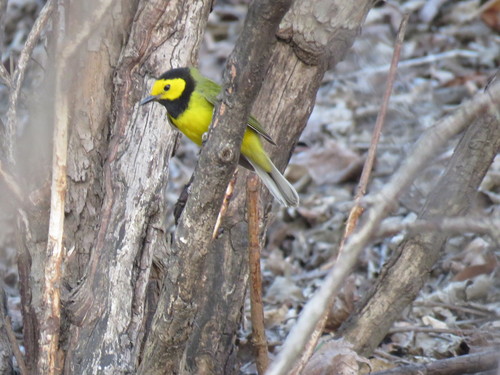 mariquita-de-capuz
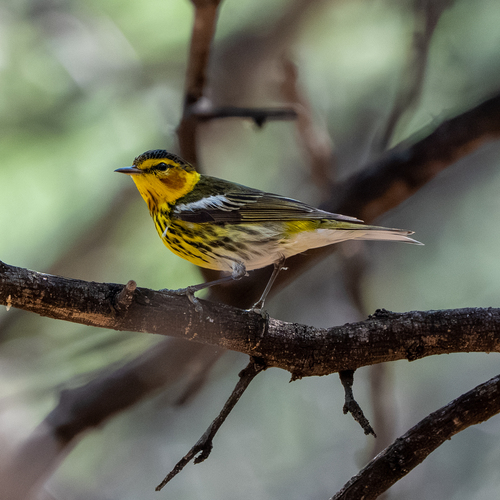 mariquita-do-cabo-may
Em resumo
A mariquita-de-capuz e a mariquita-do-cabo-may podem ser distinguidas pelos padrões de cauda e plumagem. A mariquita-de-capuz é notável pelo seu comportamento de agitar a cauda, que revela grandes manchas brancas nas penas externas da cauda, enquanto a mariquita-do-cabo-may apresenta um peito amarelo riscado de preto e manchas auriculares castanhas. Ambas as espécies fazem parte do gênero Setophaga, mas seus comportamentos e plumagens distintos as tornam identificáveis em campo.
Dicas de identificação
Procure o comportamento de agitar a cauda da mariquita-de-capuz e as manchas brancas na cauda. Para a mariquita-do-cabo-may, note o peito amarelo com listras pretas e manchas auriculares castanhas. Essas características de plumagem são as mais confiáveis para identificação.
Plumagem
A mariquita-de-capuz não possui as ousadas manchas auriculares castanhas e as listras pretas no peito amarelo vistas na mariquita-do-cabo-may. Em vez disso, é conhecida por suas manchas brancas contrastantes nas penas externas da cauda. A mariquita-do-cabo-may tem um dorso amarelo e manchas brancas nas asas, que não são mencionadas para a mariquita-de-capuz.
Comportamento
A mariquita-de-capuz frequentemente agita sua cauda para revelar manchas brancas, um comportamento não notado na mariquita-do-cabo-may. Esse movimento de agitar a cauda é usado para assustar presas e é uma característica comportamental chave.
mariquita-de-capuz · mariquita-do-cabo-may · Minhas aves difíceis