
Titirijí Cabecicanela vs Picoplano Sulfuroso
Poecilotriccus plumbeiceps frente a Tolmomyias sulphurescens
Juega un quiz con Titirijí Cabecicanela y Picoplano Sulfuroso
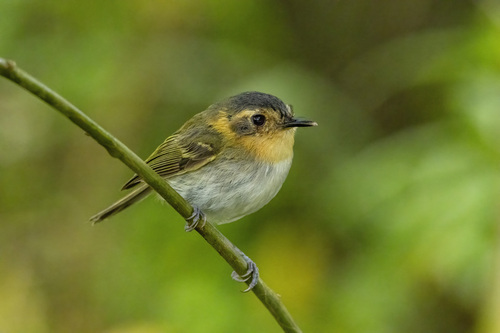 Titirijí Cabecicanela
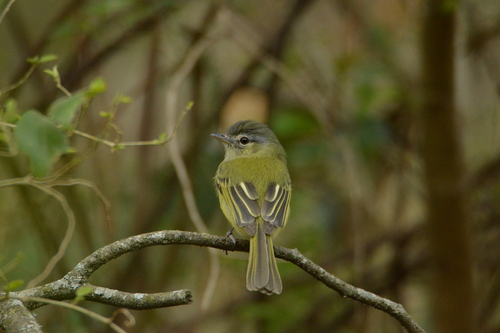 Picoplano Sulfuroso
En breve
El Titirijí Cabecicanela se distingue por sus brillantes lados canela en la cabeza con una mancha olivácea contrastante en los auriculares y una corona olivácea, mientras que el Picoplano Sulfuroso carece de estas características, teniendo una corona gris claro y mejillas y garganta gris pálido. Ambas especies habitan en entornos boscosos, pero sus diferencias en el plumaje son las más fiables para la identificación.
Consejos de identificación
- Busca los brillantes lados canela en la cabeza y la corona olivácea del Titirijí Cabecicanela.
- Nota la corona gris claro y las mejillas y garganta gris pálido del Picoplano Sulfuroso.
- Observa la presencia o ausencia de una mancha olivácea en los auriculares.
Plumaje
El Titirijí Cabecicanela tiene brillantes lados canela en la cabeza con una mancha olivácea contrastante en los auriculares y una corona olivácea. En contraste, el Picoplano Sulfuroso presenta una corona gris claro, carece de una marca auricular oscura y tiene mejillas y garganta gris pálido con un vientre amarillo pálido.
Comportamiento
El Titirijí Cabecicanela normalmente forrajea de manera solitaria o en parejas en el sotobosque de bosques húmedos, a menudo es difícil de ver en la densa vegetación. El comportamiento del Picoplano Sulfuroso no está detallado en las notas.
Titirijí Cabecicanela · Picoplano Sulfuroso · Mis aves difíciles