
Ochre-faced Tody-Flycatcher vs Yellow-olive Flatbill
Poecilotriccus plumbeiceps contro Tolmomyias sulphurescens
Fai un quiz con Ochre-faced Tody-Flycatcher e Yellow-olive Flatbill
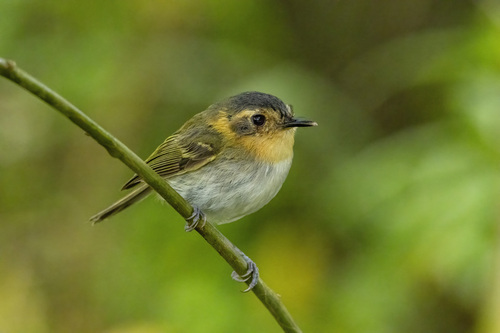 Ochre-faced Tody-Flycatcher
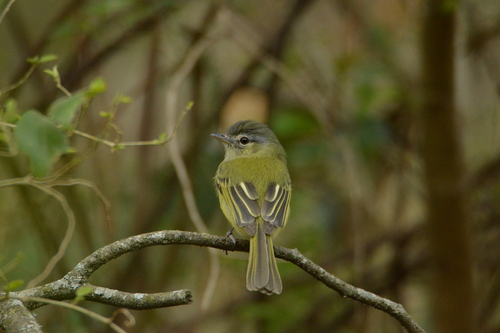 Yellow-olive Flatbill
In breve
L'Ochre-faced Tody-Flycatcher si distingue per i suoi lati testa di un brillante color buffo con una macchia olivastra contrastante sulle auricolari e una corona olivastra, mentre il Yellow-olive Flatbill manca di queste caratteristiche, avendo una corona grigio chiaro e guance e gola grigio pallido. Entrambe le specie abitano ambienti forestali, ma le loro differenze nel piumaggio sono le più affidabili per l'identificazione.
Consigli di identificazione
- Cerca i lati testa di un brillante color buffo e la corona olivastra dell'Ochre-faced Tody-Flycatcher.
- Nota la corona grigio chiaro e le guance e gola grigio pallido del Yellow-olive Flatbill.
- Osserva la presenza o l'assenza di una macchia olivastra sulle auricolari.
Piumaggio
L'Ochre-faced Tody-Flycatcher ha lati testa di un brillante color buffo con una macchia olivastra contrastante sulle auricolari e una corona olivastra. Al contrario, il Yellow-olive Flatbill presenta una corona grigio chiaro, manca di un segno auricolare scuro e ha guance e gola grigio pallido con un ventre giallo pallido.
Comportamento
L'Ochre-faced Tody-Flycatcher di solito cerca cibo in solitaria o in coppie nel sottobosco delle foreste umide, spesso difficile da vedere nella vegetazione densa. Il comportamento del Yellow-olive Flatbill non è dettagliato nelle note.
Ochre-faced Tody-Flycatcher · Yellow-olive Flatbill · I miei uccelli difficili