
Bruinkeelschoffelsnavel vs Groenkapbreedbektiran
Poecilotriccus plumbeiceps versus Tolmomyias sulphurescens
Speel een quiz met Bruinkeelschoffelsnavel en Groenkapbreedbektiran
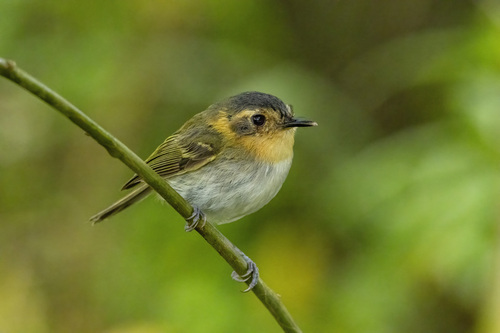 Bruinkeelschoffelsnavel
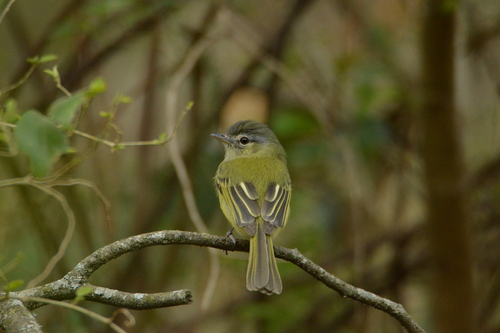 Groenkapbreedbektiran
Kort gezegd
De Bruinkeelschoffelsnavel wordt gekenmerkt door zijn heldere buffkleurige zijkanten van het hoofd met een contrasterende olijfgroene vlek op de aurikels en een olijfgroene kroon, terwijl de Groenkapbreedbektiran deze kenmerken mist, met een lichtgrijze kroon en bleke grijze wangen en keel. Beide soorten bewonen bosrijke omgevingen, maar hun verenkleedverschillen zijn het meest betrouwbaar voor identificatie.
Herkenningstips
- Let op de heldere buffkleurige zijkanten van het hoofd en olijfgroene kroon van de Bruinkeelschoffelsnavel.
- Merk de lichtgrijze kroon en bleke grijze wangen en keel van de Groenkapbreedbektiran op.
- Observeer de aanwezigheid of afwezigheid van een olijfgroene vlek op de aurikels.
Verenkleed
De Bruinkeelschoffelsnavel heeft heldere buffkleurige zijkanten van het hoofd met een contrasterende olijfgroene vlek op de aurikels en een olijfgroene kroon. In tegenstelling daarmee heeft de Groenkapbreedbektiran een lichtgrijze kroon, mist een donkere aurikelmarkering en heeft bleke grijze wangen en keel met een bleke gele buik.
Gedrag
De Bruinkeelschoffelsnavel zoekt meestal solitair of in paren naar voedsel in de ondergroei van vochtige bossen, vaak moeilijk te zien in dichte vegetatie. Het gedrag van de Groenkapbreedbektiran is niet gedetailleerd in de aantekeningen.
Bruinkeelschoffelsnavel · Groenkapbreedbektiran · Mijn lastige vogels