
tororó vs bico-chato-de-orelha-preta
Poecilotriccus plumbeiceps versus Tolmomyias sulphurescens
Jogue um quiz com tororó e bico-chato-de-orelha-preta
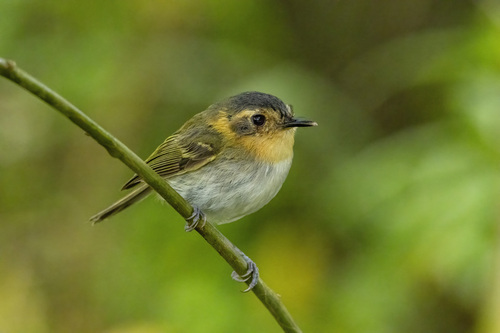 tororó
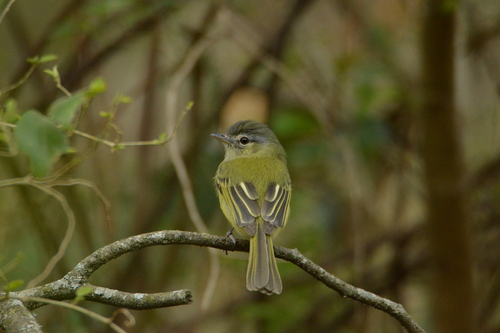 bico-chato-de-orelha-preta
Em resumo
O tororó é distinguido por seus lados brilhantes e amarelados na cabeça com uma mancha oliva contrastante nas auriculares e uma coroa oliva, enquanto o bico-chato-de-orelha-preta não possui essas características, tendo uma coroa cinza-claro e bochechas e garganta cinza-pálido. Ambas as espécies habitam ambientes florestais, mas suas diferenças de plumagem são as mais confiáveis para identificação.
Dicas de identificação
- Procure os lados brilhantes e amarelados na cabeça e a coroa oliva do tororó.
- Note a coroa cinza-claro e as bochechas e garganta cinza-pálido do bico-chato-de-orelha-preta.
- Observe a presença ou ausência de uma mancha oliva nas auriculares.
Plumagem
O tororó tem lados brilhantes e amarelados na cabeça com uma mancha oliva contrastante nas auriculares e uma coroa oliva. Em contraste, o bico-chato-de-orelha-preta apresenta uma coroa cinza-claro, não possui uma marca auricular escura e tem bochechas e garganta cinza-pálido com um ventre amarelo-pálido.
Comportamento
O tororó geralmente forrageia solitariamente ou em pares no sub-bosque de florestas úmidas, muitas vezes difícil de ver em vegetação densa. O comportamento do bico-chato-de-orelha-preta não está detalhado nas notas.