
Pibí Boreal vs Toquí de Abert
Contopus cooperi frente a Melozone aberti
Juega un quiz con Pibí Boreal y Toquí de Abert
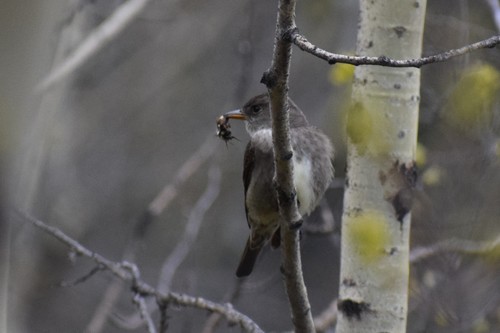 Pibí Boreal
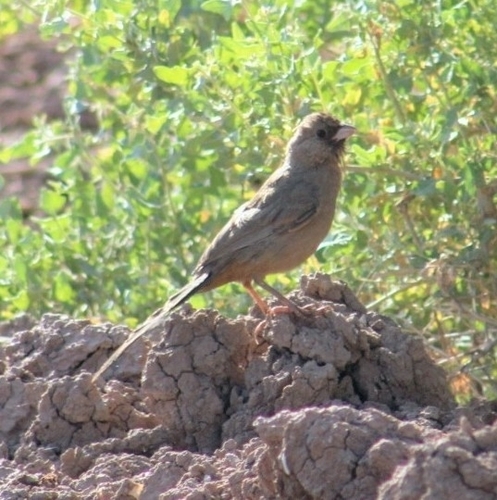 Toquí de Abert
En breve
El Pibí Boreal y el Toquí de Abert se distinguen fácilmente por su comportamiento y preferencias de hábitat. El Pibí Boreal es un insectívoro que se posa y sale a cazar, mientras que el Toquí de Abert es un forrajero terrestre. Su plumaje y vocalizaciones también difieren significativamente.
Consejos de identificación
1. Comportamiento: Busca el Pibí Boreal posado alto, saliendo a cazar insectos, frente al Toquí de Abert en el suelo buscando comida. 2. Plumaje: Nota los parches blancos en el rabadilla del Pibí Boreal y su plumaje más oscuro en comparación con el marrón uniforme del Toquí de Abert. 3. Hábitat: Considera el hábitat; el Pibí Boreal prefiere bosques abiertos, mientras que el Toquí de Abert se encuentra en áreas densas y arbustivas.
Plumaje
El Pibí Boreal tiene una apariencia más aerodinámica con un plumaje más oscuro y de tono oliva y un distintivo parche blanco en los lados de la rabadilla. El Toquí de Abert es más robusto, con una coloración marrón más uniforme y carece del parche blanco en la rabadilla.
Comportamiento
El Pibí Boreal se posa alto y sale a cazar insectos en vuelo. En contraste, el Toquí de Abert pasa la mayor parte de su tiempo en el suelo, buscando insectos y semillas.
Hábitat
El Pibí Boreal se encuentra típicamente en bosques abiertos y bordes, a menudo cerca del agua. El Toquí de Abert prefiere hábitats densos y arbustivos y áreas suburbanas, a menudo cerca del suelo.
Voz
El Pibí Boreal es conocido por su fuerte y claro canto 'rápido, tres cervezas'. El Toquí de Abert tiene un distintivo dúo de chillidos utilizado por parejas, especialmente durante la temporada de cría.